
This article is the second in a three part-series about 3-Step and its unifying impact across borders in Africa. The first article analysed how 3-Step’s emergence helped change the narrative of music on the continent against a backdrop of toxic nationalism — read it here
Since 2024’s reckoning with Africanness — explored in Part One of this series — the socio-political online landscape has shifted significantly. While some still grapple with the idea of a unified Africa, the West’s influence has come into question with the rise of right-wing leadership, as well as Pan-African movements toward further independence, a la Ibrahim Traoré and Burkina Faso’s moves to cut ties with the West, prioritise a unified continent and keep their natural and cultural resources under their control, at home. Whether this is propaganda or some sort of move to a continental revolution remains to be seen; Traoré’s human rights record faces its own scrutiny, however young people across the continent have taken the message of ownership and African pride and unity to heart, expressing enthusiasm all over TikTok at the idea, with artists finding ways to collaborate across borders and genres in ways that benefit them as well. Event properties and collectives championing Afro house have sprung up in numbers from Accra to Nairobi and Lagos, boasting rising electronic music scenes to match South Africa’s desire for more dancefloors to fill. One of the most challenging 3-Step releases to blur boundaries is ‘Meta’ by GRAMMY-winning artist Nomcebo Zikode featuring Nigerian singer-songwriter Fireboy DML and Kenyan Afro house staple Sofiya Nzau, which sees all three artists make a very literal, yet powerful statement, in merging the powers of West, East and Southern Africa.
“I believe 3-Step has the potential to open doors for Afro house and give it new dimensions, allowing it to reach broader audiences in African countries and beyond. Collaboration across African borders is something I’m incredibly passionate about. Music transcends borders and allows us to celebrate our cultures while creating new sounds that connect deeply with people across the continent,” Sofiya explains. “We’re from different parts of Africa, yet our voices blend in a way that feels so true to who we are. It’s an honour to represent Kenya and share in this musical journey with Fireboy and Nomcebo.”
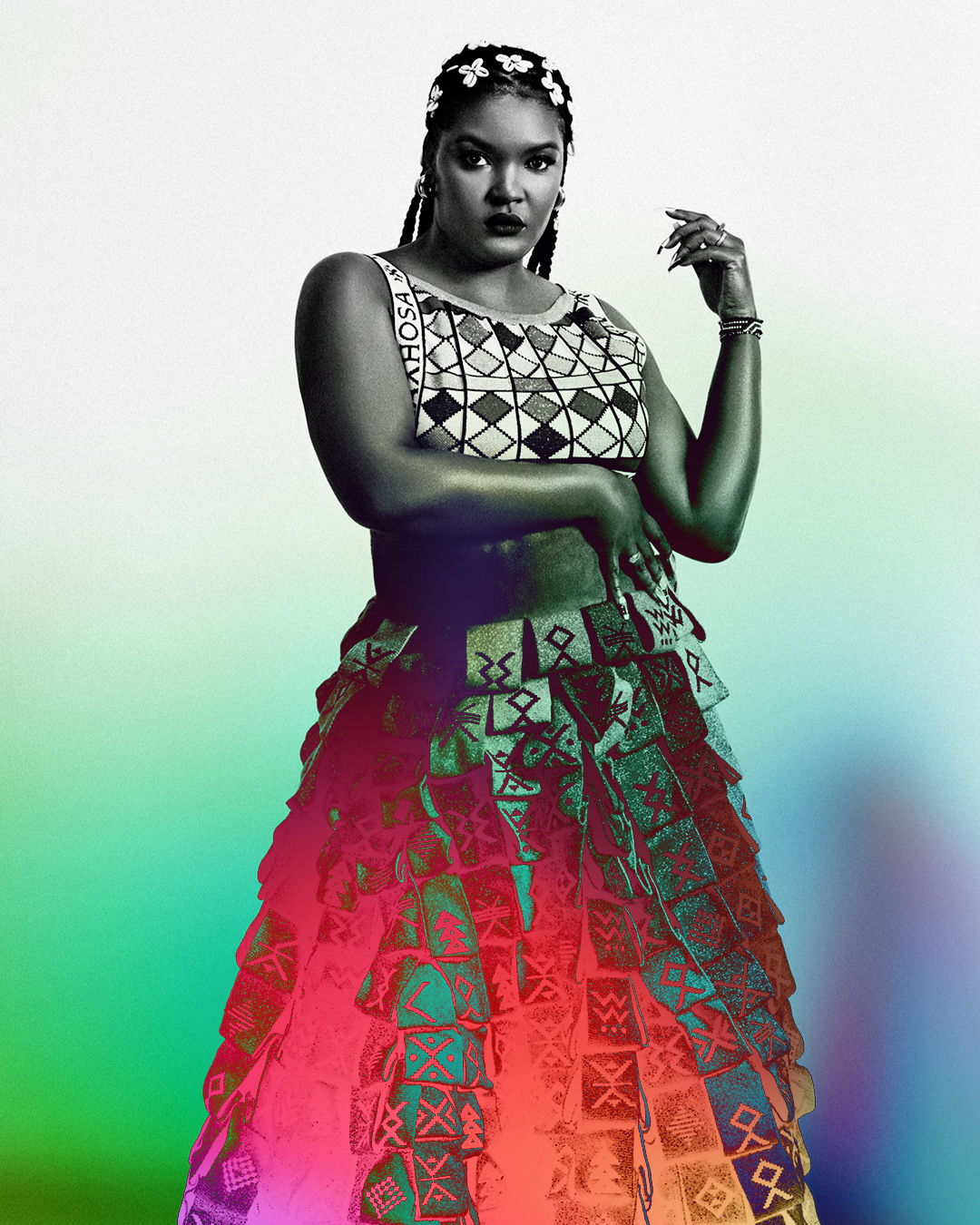 Sofiya Nzau
While many African countries have adopted their own 3-Step tracks, sets and scenes, some have taken more time than others. Plenty of Africa’s events are very much in amapiano mode, but 3-Step has made its way into spaces that are becoming exceedingly open to new flavours.
Ethiopia’s music scene is rampant with fusions of Ethiopian sounds with house music and other Western genres from pop to hip hop, however, the tenth edition episode of The Lab in Addis Ababa (an event held by the Ethiopan capital’s underground and alternative scenesters) saw its first 3-Step set played this year by DJ Benaiah. With just an hour to test the waters, amongst his usual hip hop and amapiano steeped mixes, the 3-Step set was met with resounding enthusiasm, according to co-founder Yohannes Hadish.
“Things can be quite predictable sound-wise in a lot of places, and you can always tell in the mainstream pop and EDM spaces what is coming next. At The Lab, we like to focus on new sounds. It’s a space for people to focus on experimenting with their music, their look, and overall creativity. Benaiah is one of my favourite DJs and you could tell by the way the audience were really vibing to his set that 3-Step is growing here in Addis. Africa has a lot of EDM sounds that have to be pushed in a way that defines us properly, and we have to work on marketing ourselves and speaking about ourselves the right way, starting our own things within our control, as a movement – where everyone can come together around one cause to make something huge. I mean all kinds of people from the creative scene, including cinematographers, designers, etc. We need to make sure we can be seen and heard. Embracing our cultures, like we’re doing in house music is important. We need to own it.”
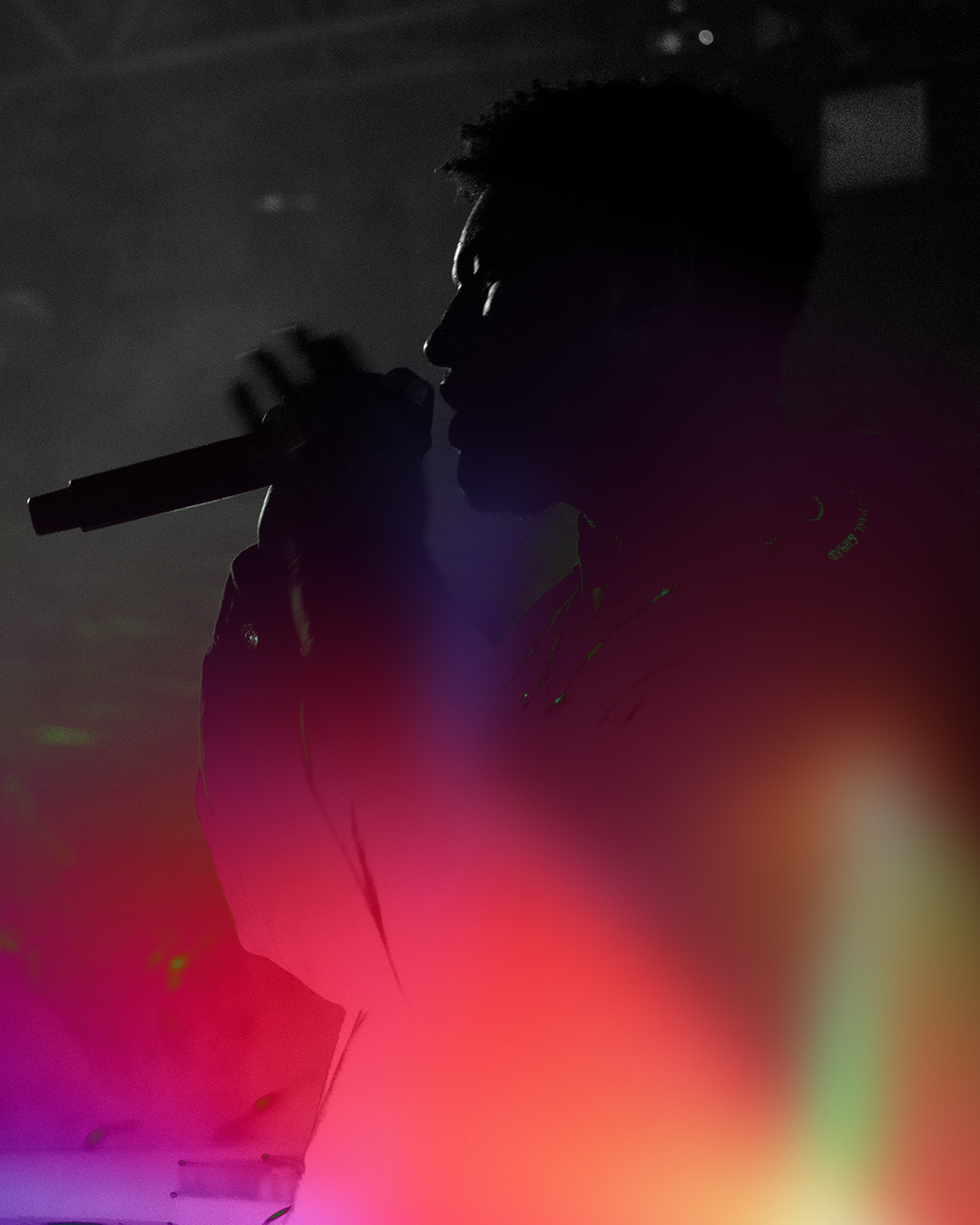 Yohannes Hadish
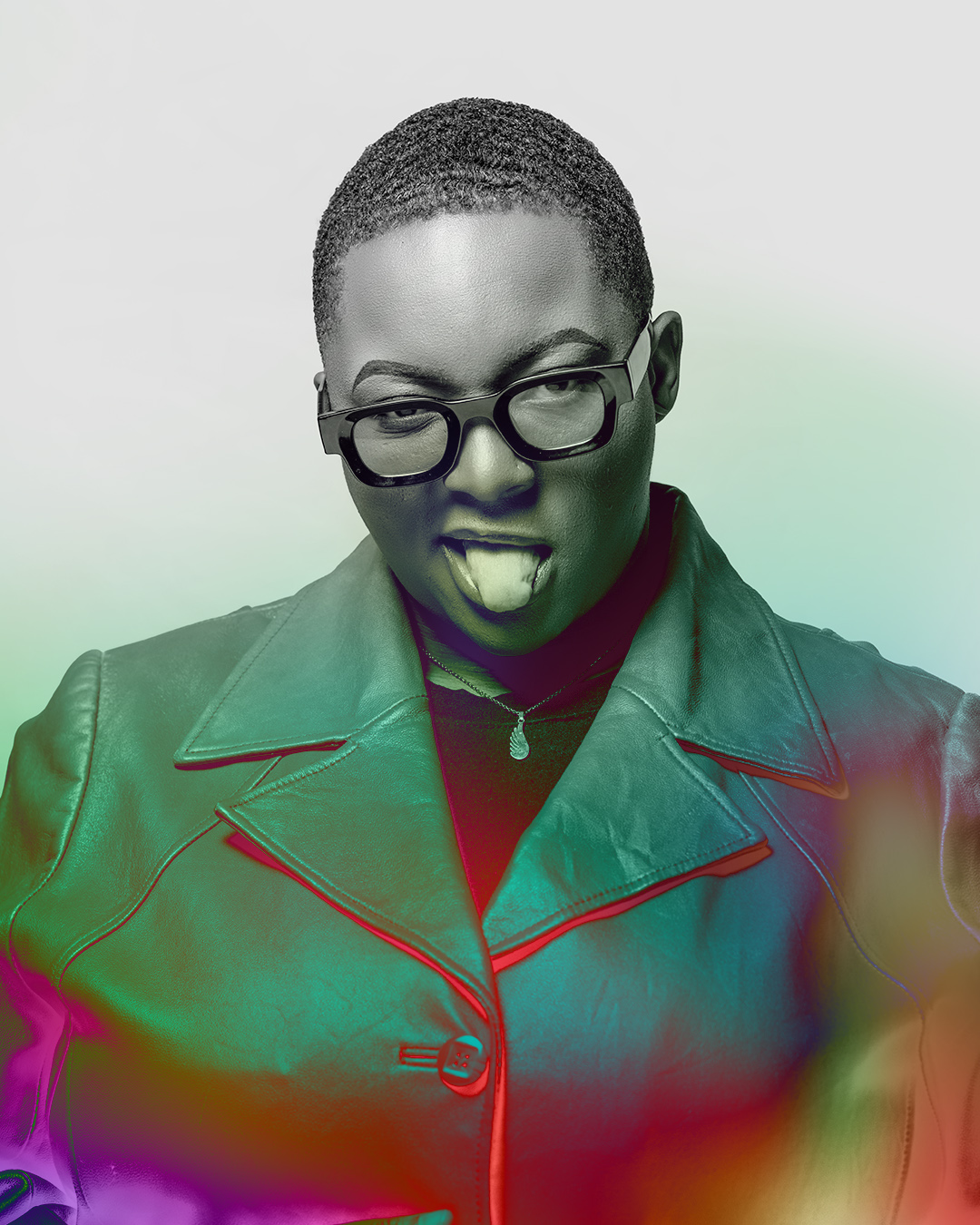 Milky Way The DJ
Zambia’s Milky Way The DJ echoes the same sentiments. Growing up playing music for her friends and family in Kitwe’s Copper Belt, music was always a part of her, with house and amapiano being the avenues in which she really shines. A social worker by day, the same care and consideration for others’ wellbeing extends to her dancefloor experiences. For her, as much as amapiano is still dominant, Afro house has a strong swell across the region, especially with the establishment of Sosha Records, one of Zambia’s first labels dedicated to Afro house, with its release of a 3-Step remix of ‘Aicha’ by Ghedi bringing new energy to El Mukuka, Eran Hersh and Mumba Yachi’s track. She explains that EDM, pop and hip hop are all easily found in Zambian scenes, but the country’s approach to Afro house leans more to South African sentiments of the sound than it does to the Western ideas of Afro house currently circulating.
“3-Step is definitely different, and once it gets you, it gets you. Thakzin’s ‘Horns in the Sun’ and Heavy K’s latest album are the ones that are making the most impact as introductions to the sound, and it’s making strides in pushing the sound forward to inspire folks like DJ Drill in his track ‘Kuziva’. What’s interesting is that a lot of audiences don’t even know that what they are playing is 3-Step, they just know it as more Afro house, because the sound of it is so Pan-African as opposed to other dance music. As much as we know Afro house is held by South Africa, we’re trying to make it our own way with our languages and cultures here in Zambia, as we have our own genres like Zamrock and Kalindula to draw from. It’s in the spirit of being unique, while adding our own flavours, because what we want is to help house become more Pan-African.”
This is the liberation today’s Afro house musicians bring to every dancefloor. For many, 3-Step’s timing, ingenuity and influence has opened up a world of possibility where fearlessness, ownership and re-centering are key. As much as house music has taken on many iterations, there is one truth. Its legacy started – and continues to multiply – on the African continent.

Jacqueline “DJ Shock” Mugo, also a resident of Kenya, has been teaching folks how to DJ for over two decades, and has more recently taken steps toward becoming a producer. The first time she and her team at Santuri curated a house stage at Blankets & Wine (one of the biggest outdoor live music events in the region, which held its UK debut in Bradford in September) she could see the audience was still trying to adjust from their usual r’n’b, hip hop and rap. By the time they were booking higher-end Afro house DJs last December, she recalls the audience falling easily under 3-Step’s spell.
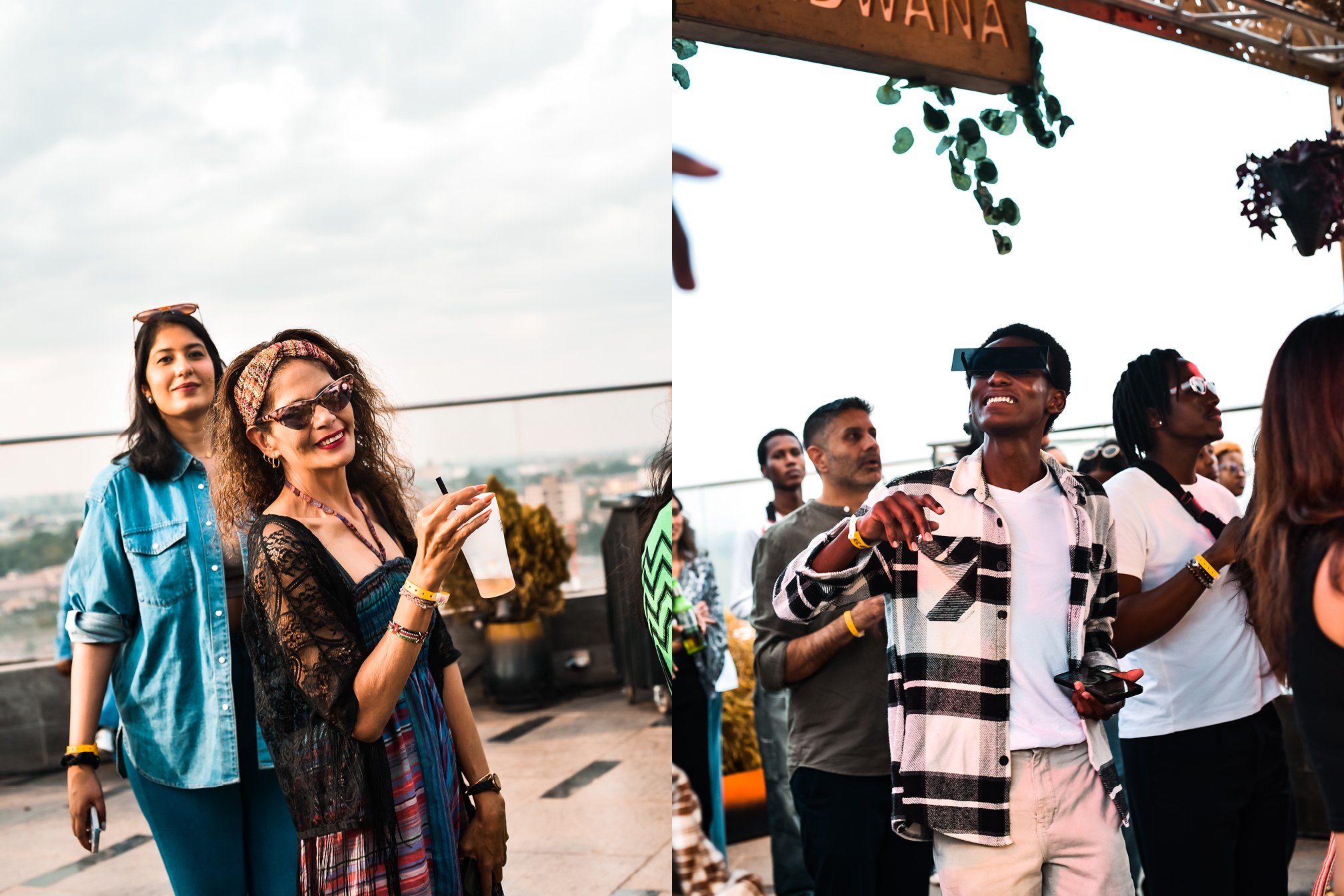
“3-Step has served as a soft introduction to Afro house in Kenya, among those who are new to it. For an audience who wouldn’t ordinarily listen to Afro house or go to dedicated events like Gondwana, they are now getting into those because of 3-Step… and Kenyan producers are great at making Afro house. There’s a difference between European and American producers making Afro house, compared to African producers. They seem to lean more Latin America in their Afro house, designed to be more Western mainstream pop than anything. Africa has a lot of textures, rhythms, languages, chants and percussion-based styles. As part of our music production course at Santuri, we take our students to a place called Bomas of Kenya (Houses of Kenya) which showcases traditional houses from different tribes. In that museum we have a section of musical instruments from all over Kenya. I’m talking about more than 20 different types of musical instruments. How can we say we’re making African music, when we’re not using African instruments? It makes me think, how can we integrate those into modern music in an interesting way? Mpho.Wav is one producer who does this, and has become a huge case study for me as I learn how to produce my own tracks. He goes the extra mile and brings performers and ethnic instruments into the studio to create brand new samples and packs. I believe that’s what will give our music an edge from here on.”
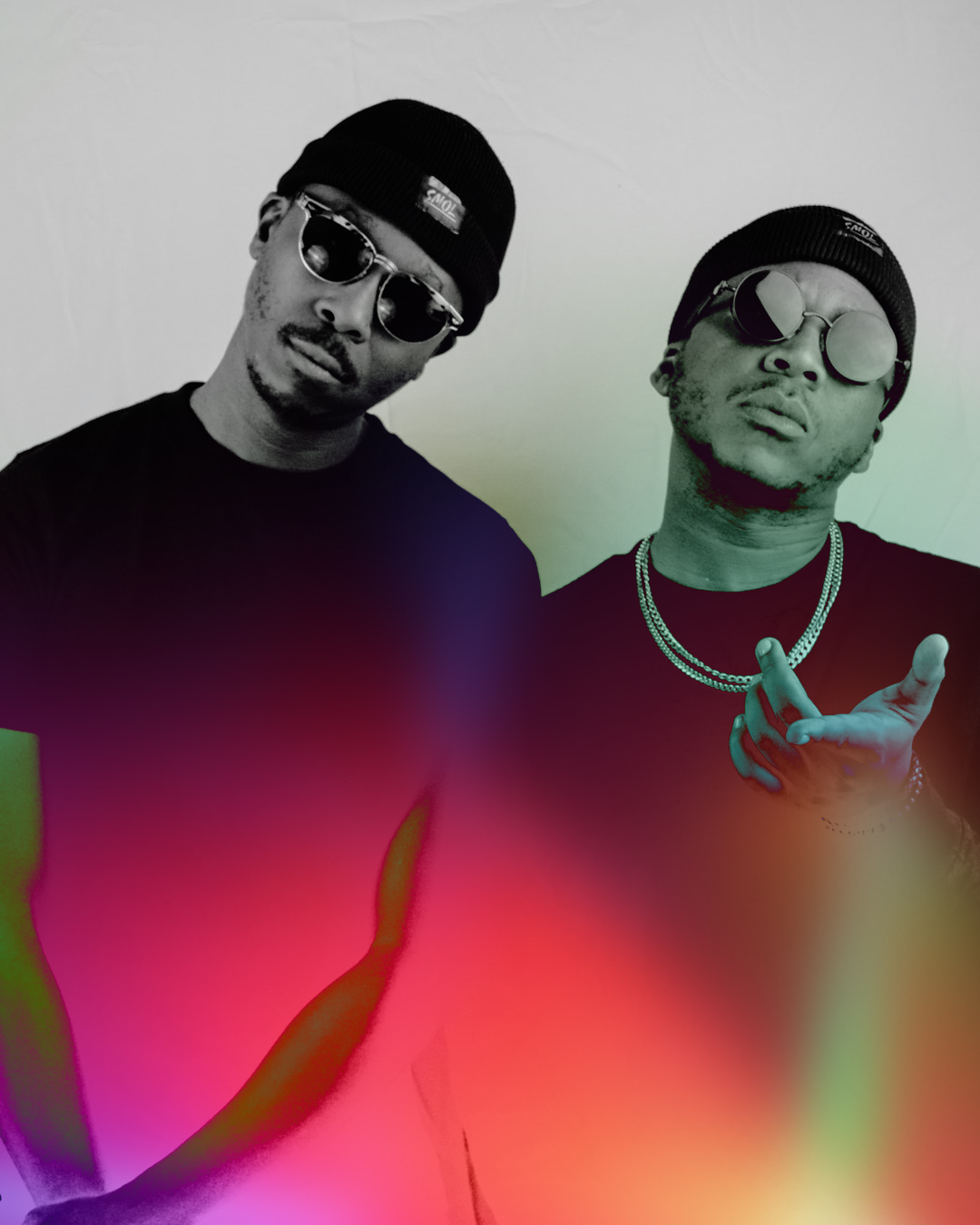 Black Motion
It seems then, that there’ll never be a better time to bring Afro house home. For Thabo “Smol” Mabogwane (and many Afro-artists) music and life are intertwined, and 3-Step provides the means for reconciliation; with ourselves, those estranged from us, those displaced from the continent and with the freedom to create their own ideas of Africanness. Thabo is one half of Black Motion, a duo whose place in the South African dance and electronic music world has been pivotal for many years now, thanks to their embracing of Africa’s equally unique and foundational approach to music. In 2022 the originating duo of Thabo and MÖRDA announced their split, which shook the industry for quite some time. As Thabo paired up with Kabelo “Problem Child Them 83” Koma to continue the Black Motion legacy, many raised concerns that the group would never be the same. Indeed it wasn’t… until 2024, when the new duo and MÖRDA reunited on a 3-Step track called ‘Takala’, featuring Afrikan Rootz and DJ Buckz, to lay the path for a luminous project aptly named ‘The Cradle of Art’. This Pan-African album is stacked with continental sounds past and present, from Sade interpolations to Kaapsegqom-flavoured explorationsn and West African hip swayers, harnessing respected masters of Afro-crafts including the imperious artist-vocalist Toshi and the beastly engineer DJ Jim Mastershine, as well as new-age amapiano must-haves in vocalists Drip Gogo, Lee McKrazy and Msongi. This “new” Black Motion stays true to its name, bringing all things beautiful and bold about Black music to the fore along with everything we have learnt as a people since the stretching of those first animal skins, right to the blue light of our screens. Problem Child’s contributions are crisp, thoughtful and gallant, with Thabo’s percussive intuition continuing to thrill without missing a single beat.
“Making beautiful music is the only way we could prove to people that things are okay between us. We just want them to vibe with us like the good old times.” Thabo says of ‘Takala’, Black Motion, and the continent as a whole. “There’s a drum for every culture in Africa. You’re born by the drum and you die by the drum; whether it’s a funeral, a celebration or a wedding, there will always be drums. Back in the day there was nothing digital, so the only way we could communicate or have any sort of union is by playing drums. A drum would be an alarm or a calling – that’s why they say music is “a calling” for us – it’s literal. That call must always be answered. They’d play the drum in the village and people would hear it from far away and they’d come to where the drums were played. Then they would sit and talk about serious things… solve problems. That’s why the drum is so important for us. That’s why we talk about spiritual things around drums. There are problems that families alone in their houses couldn’t solve on their own. So they would come together, and afterwards leave having those problems solved… going home respecting the drum.”
Perhaps making beautiful music together for now, is the only way forward. It’s not far-fetched to say that Mdu aka TRP’s reimagining of amapiano’s log drum has called many from the far reaches of the world to long deserved attention for Africa’s electronic music. Perhaps it was in preparation for this moment, where every Afro-genre can take this opportunity to reckon with itself about what it means to be African in the world, and in that knowledge can go on to create as they see fit. In today’s digital era, we may not find the traditional use of the drums to call us together across vast territories particularly effective, but the principle remains the same. Even though fear of rejection or fear of failure, fear of the other or fear of oneself persists, so does music. Like the continent that gave birth to it, 3-Step is many things. But above all, 3-Step is an invitation to reflect collectively, to self-determine creatively and to take a chance at carving out new ways of being. So the question to Afro-artists the world over, is thus: the drums are calling. What will your answer be?

Leave A Comment
You must be logged in to post a comment.