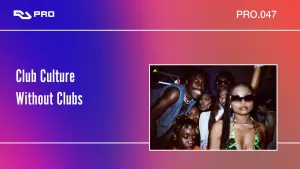
A lack of venues in cities like Los Angeles is hurting promoters who have no choice but to adopt a DIY approach.
Electronic music is rooted in a DIY spirit. Parties in remote fields, factories, residential units and other unconventional locations are a historically critical component of underground nightlife, embraced by promoters who proudly represent the guerilla ethos of rave subculture. But when organisers feel forced to go down this route, it raises a few questions.
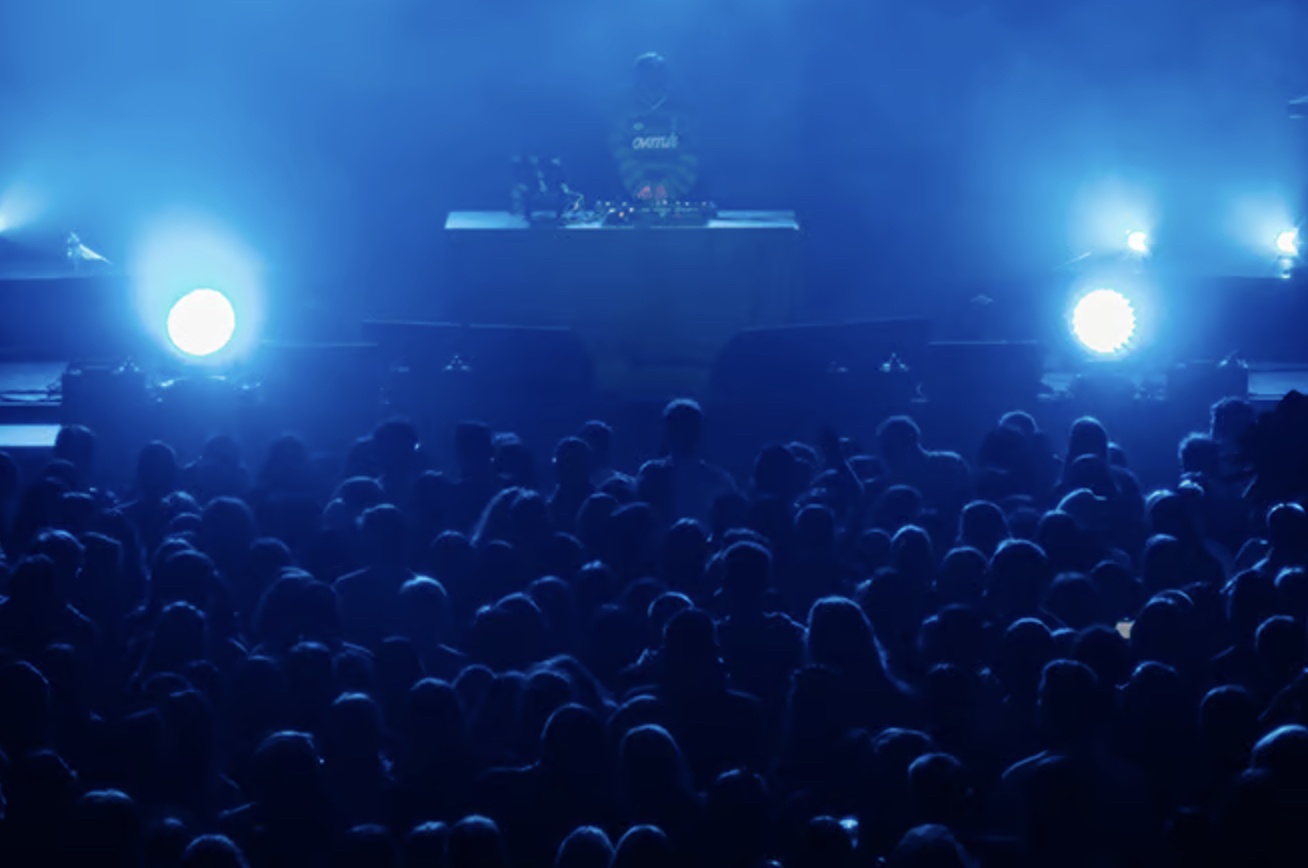
Contending with a scarcity of formal nightlife spaces, several dance music scenes resort to DIY practices to keep parties alive. From San Francisco to Dubai, organisers struggle to find bars, restaurants and clubs that are open to leftfield programming. As a result, they are left with little choice but to seek out alternative venues that lack the required permits for alcohol, live music and dancing. This approach offers a lot of benefits–promoters can fully exercise creative control on music, sound and design without compromising their values. It’s also easier to get friends and regular attendees involved in set-up and programming, amplifying the importance of community.
But a lack of traditional nightlife spaces also brings significant downsides.
From managing in-house production to marketing campaigns, the to-do list for putting together a night can be financially overwhelming and labour-intensive without the support of a legal venue. There’s also a high amount of risk involved. For one, industrial buildings, a popular option for raves, don’t always meet safety standards. During a 2016 show at the Ghost Ship warehouse in Oakland, California, a fire tragically killed 36 attendees–the building was long known to local firefighters as a safety hazard. The incident sparked a nationwide crackdown on DIY spaces.
Across the globe, government authorities are increasingly looking to eradicate what they consider “illegal” nightlife. Ontario, Canada recently passed a new bill that holds landlords criminally liable for illicit drug activity on their properties. That jeopardises DIY parties as many owners may now be reluctant to host events. In several countries, it’s also common for promoters to face arrest for throwing parties at places without a proper license.
From a business perspective, a shortage of legal venues also stifles the growth of promoters. Without a regular home for nights, programmers invest a lot of energy into a single party as opposed to their entire season of events, which hinders long-term operations.
A robust nightlife economy ultimately thrives on diverse options. DIY parties are essential to a scene’s overall health, but they shouldn’t be the only path available.
.jpg)
Perspectives on the ground Several promoters in Los Angeles told Resident Advisor just how badly the city needs more independently-run venues that are equipped for late nights.
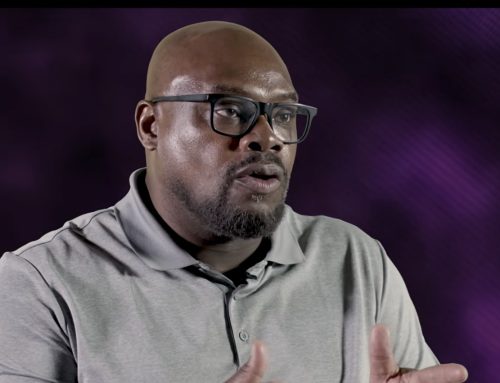
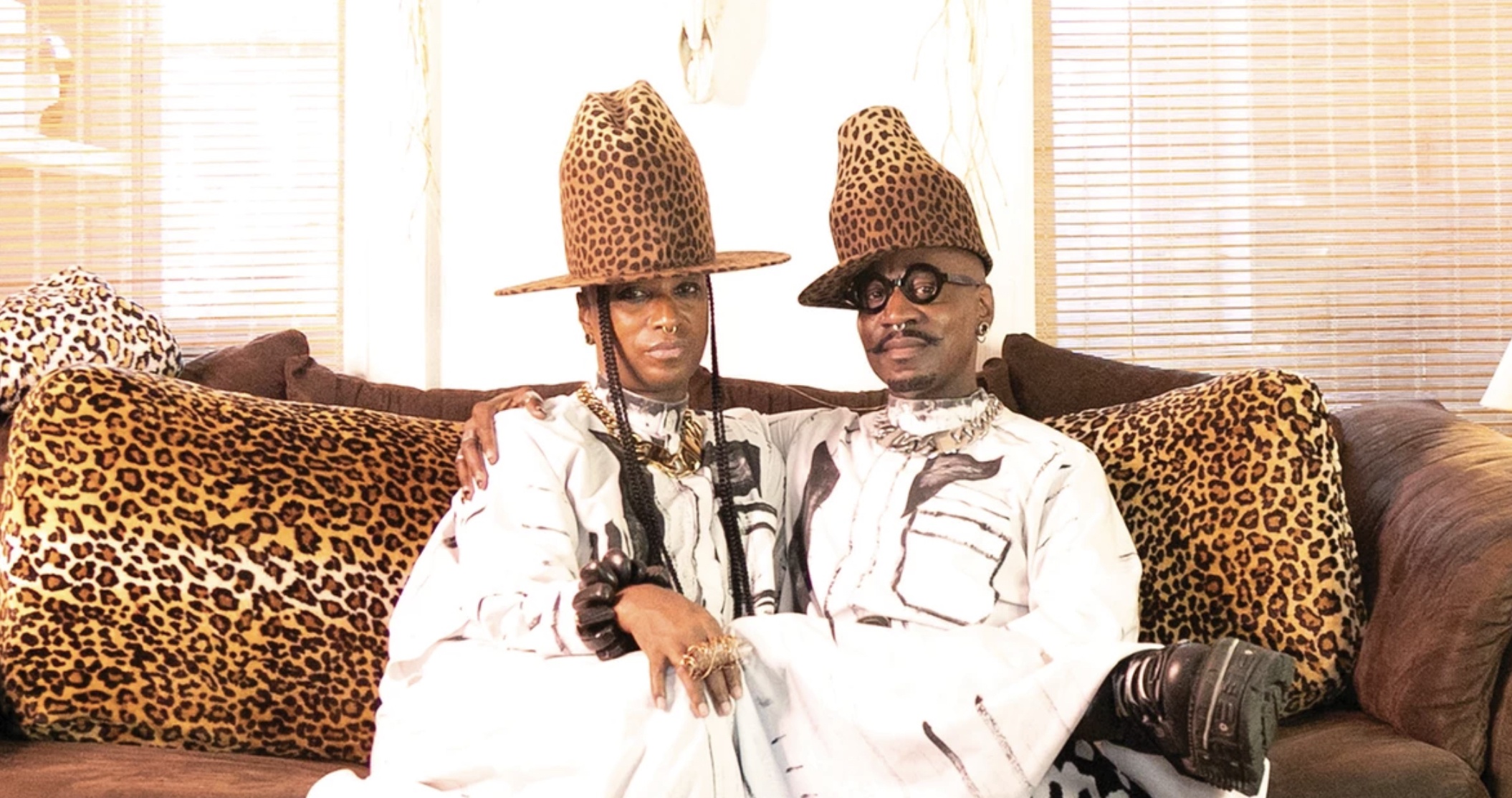
“LA has traditional venues but they are not the kind of venues that are open to exploration and experimentation like those that exist in New York or certain places in Europe,” said Kumi James, AKA BAE BAE, founder of Hood Rave. “LA nightlife is more capitalistic and there are wealthy people here who have monopolies over the venues that exist.”
“It’s incredibly challenging as an independent series and creative studio to find venues in this post-pandemic era,” echoed the team behind Into The Woods LA. “Inflation, the influence of corporate entities over venues and artists, and the demand for industrial properties by the manufacturing sector in California, are all factors that we contend with.” Moreover, there’s an increasing “commodification of underground culture by corporations,” they added.
Both crews emphasised how more formal venues can boost community building.
“Having more venues where casual listeners can just walk in each week to have an experience” would not only “positively impact our series,” it would enable greater connection with crowds new to dance music, Into the Woods LA said. “We’d love to see more investment in independent event curation in Los Angeles by listeners and city leaders.”
“We need a new sea of independent venue owners who are not just white wealthy people seeking profit, but people who care about music culture and creating spaces for community to thrive in,” James noted. Back in the day, Jewel Thais-Williams’ Catch One and Mustache Mondays, Nacho Nava’s weekly party, fulfilled this role, the LA native said.
The entry to venue ownership is extremely high given the numerous costs involved but James is committed to opening a space. “It’s a major goal for me to open a new legal venue in LA in the next few years that would be a place for experimentation in dance music that is centered around Black, brown, queer, and femme community.”
“The fires this year were one crisis (of many successive crises) that created a sense that we all had a responsibility to take care of one another, especially supporting the most vulnerable among us,” they concluded.




Leave A Comment
You must be logged in to post a comment.