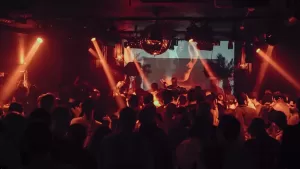
Nuits Montréal builds off previous pilot projects to establish a formal framework for venue certification.
The city of Montréal has announced its new Nuits Montréal (“Montréal Nights”) framework along with a list of establishments approved for extended opening hours.
Nuits Montréal solidifies a series of pilot projects launched in 2024 in conjunction with the city’s first-ever nightlife policy, which granted venues and promoters periodic exemptions to the provincial “last call” limit of 3 AM. Under the new framework, venues recognised as performance halls that demonstrate their ability to uphold “responsible festive practices” can be certified as “qualified nightlife establishments.”
In order to be eligible, venues must apply to the programme and demonstrate good management of noise, consumption, crowd flows and other safety issues. Once selected, venues benefit from expedited approval for extended-hour events and receive a certificate from the city that affirms their adherence to responsible practices. The 21 certified establishments span four boroughs and include electronic music hotspots such as Stereo, Société des arts technologiques (SAT), Système, Datcha, Salon Daomé and ESC.
In addition, three districts were designated as “qualified nightlife hubs,” granting similar privileges to cultural and commercial establishments located in the areas. Under the framework, closing hours may vary based on venue requests and no time limit is specified (with the SAT’s recent 24H of Vinyl party featuring a full day of uninterrupted bar service). Instead, qualified venues must request city approval for individual event proposals, which are then approved by city officials on a case-by-case basis.
While club events ending at 6 AM or later have become an increasingly frequent feature of Montréal nightlife in past months, city officials underlined the need to maintain a balance between cultural vibrancy and neighbourhood cohabitation in their related communications. “Nightlife is a pillar of Montréal’s identity and its development relies on collaborative work,” said Maude Théroux-Séguin, municipal council member overseeing nightlife issues.
“With Nuits Montréal, we want to allow Montréalers to fully enjoy this nocturnal vitality, while respecting residents and ensuring safety.” The announcement was generally well-received by local nightlife figures. “The nightlife district initiative is clearly a step in the right direction,” Salon Daomé co-owner Nathan Burns told Resident Advisor. “Extending operating hours is a long-overdue adjustment for Montréal, especially when compared to major international cities.”
Artist and booker Queenie Jr highlighted the creative freedom extended hours could offer. “It changes the way you can build a night,” he told RA. “The energy is not only building up anymore—you can experiment with dynamics and play with the pace. There’s a natural rotation: some people leave at 3 AM, others arrive fresh at 3 AM, and that shift makes the whole night flow smoother.”
These sentiments were echoed by Jon Weisz, executive director of the Scènes de Musique Alternatives du Québec (SMAQ), an industry group representing small and medium-sized venues in the province. “This announcement marks an important milestone in the implementation of the Nightlife Policy,” he told RA. “With mitigation and cohabitation frameworks now firmly established, we look forward to seeing the administration’s next steps to support Montréal’s vibrant nightlife scene and ensure its long-term sustainability.”
Financial sustainability remains a major concern for the creative sector in Montréal, where asking rents have risen 71 percent since 2019. With the objective of lessening the financial burden associated with the certification process, the city simultaneously announced a new grant programme that would offer venues up to $5,000 to support the implementation of new safety and cohabitation measures. This funding programme follows a multimillion-dollar soundproofing grant launched in 2024 meant to reduce noise conflicts between venues and their neighbours.
For Burns, additional recognition of some nightlife establishments at the municipal level could bring much-needed legitimacy to the industry as a whole. “It’s encouraging to see the city finally recognising the importance of nightlife, a sector that has long been stigmatised and reduced to outdated stereotypes,” he said. “This shift in approach helps reopen dialogue between institutions and people on the ground. It not only leads to better recognition of the scene, but also contributes to building a more structured and safer environment, now that communication is possible.”

Leave A Comment
You must be logged in to post a comment.