
Afro house’s newest evolution 3-Step originated in South Africa but is having a powerful and unifying impact across borders. In the first of a three-part series exploring the cultural shift 3-Step is spearheading, Shiba Melissa Mazaza analyses the climate of fear and toxic nationalism that was pervasive during its emergence, and speaks to the style’s creators and adopters in Africa about growing together and changing the narrative around music on the continent
By now, you’ll have heard. The latest movement to sweep South Africa’s multimodal electronic music scene comes in a subtle, yet powerful patchwork of sounds, simply dubbed “3-Step”. Its elements so far comprise robust, celebratory horns; amapiano’s brazen bass, log drums, ad-libs and shakers; gqom’s dark, ghostly energy; the pensive chords of deep house; lyrics ranging from IsiZulu, XiTsonga, and TshiVenda to Português Cabo-Verdiano and ChiShona, and most importantly, rousing percussion providing grounding and texture central to all African music styles. Often summoning broken beat’s flirtatious, anticipation-building phrasing that frequently emphases “3 kicks”, 3-Step has grown from an unnamed, embryonic sound to become the definitive style of Southern African summers for two summers running. If nurtured in the best ways, the sound could dominate for many more yet.
Since the first traces of the genre emerged, many struggled to define 3-Step, and many still do. Is it a wave of tracks flouting house music’s four-to-the-floor foundation? Is it a mish-mash of amapiano, gqom, deep house and Afrotech? Is it all hype, in an attempt to redress and capitalise on a production style that always existed? Or is it the tipping point for a greater cultural and societal shift? At once creating breathtaking dancefloor moments as well as major career shifts for its producers, 3-Step has created a much-needed suspense within the South African house scene where many have been waiting for the next “somebody” to challenge and refresh Afro house’s offering – as Boddhi Satva expressed last year. The solve stems from a region creating like no other in the world on one hand, and on the other, a region that grapples with crises of identity that could provide the perfect opportunity for an Afro house renaissance led by its cultural originators – or, if mismanaged, could just as easily keep 3-Step’s success from being truly realised.
THE BACKGROUND
In the last few years, South African ways of life have become the bedrock for the country’s cultural progress, and the scaffolding for its towering global image. From fashion design and beauty, to sporting events, a booming film industry, dance trends, plus, every comment section would be incomplete without South African comedic retorts… or disdain. With a highly diverse African population, the historically suppressed Black majority have found expression in many forms, all of them rising to dominance in popular culture while making headlines with GRAMMY wins, chart-topping hits, viral dance challenges, and more, to counter years of creative repression.
Lately however, the towering image of South Africa has cast a shadow across popular culture, bringing fresh headlines to the fore of a much different tone. Still one of the most unequal countries in the world with the youngest continental democracy and pervasive Eurocentric standards, South Africa is not exempt from swirling narratives around immigration crisis, Afrophobia and xenophobia. Often referred to as “The United States of Africa,” South Africa is an economic giant on the continent brimming with various cultures, opportunities and progressive world views, where many African countries would embrace more conservative takes on life, from gender identities to cultural expressions and career paths. South Africa is as diverse and nuanced as it is complex in its relationship with the rest of Africa. While there are many South Africans who happily see other Africans as kin, the truth is that race and class still determine one’s stature in society, placing those with the deepest hues and the shallowest pockets on the bottom of a senseless hierarchy where Afrophobia is very real – only becoming more rife in the wake of amapiano’s global success, as Nigeria became the first nation abroad to champion its own significant amapiano movement, touting its own offshoots such as “ojapiano” or “omopiano.”
Since long before that though, “foreigners” of many sorts have been catching strays both for their accomplishments and desperations (which include refuge from war, discrimination, poverty, persecution or simply the quest for better opportunities to pursue their passions). Migrants from Nigeria, Zimbabwe, Malawi, and more who come to South Africa with very little are often treated as vermin or criminals, while migrants with more means are seen as “leeches”, scammers or appropriators. It wasn’t until Chidimma Adetshina (who was born in South Africa to parents rooted in Nigeria and Mozambique) decided to enter the Miss South Africa 2024 beauty pageant that this sentiment really bared its teeth within the realm of popular culture. First targeted for bearing a surname that “doesn’t sound South African” , agitators on social media questioned her ability to represent the country despite being born in Soweto. When it was discovered that her father is Nigerian, accusations quickly escalated to frame her as an illegal immigrant. Under the weight of the media frenzy and public pressure, The Department of Home Affairs had her family investigated, claiming to find “prima facie evidence of identity theft,” forcing Chidimma to withdraw from the competition for her family’s safety. To this day, no indisputable evidence against Chidimma has been found, and the victim suffering this alleged identity theft has not stepped forward. Unfortunately, this hardly matters. Even though she has since gone on to win Miss Universe Nigeria, and thus gone on to represent as such at Miss Universe in Mexico, placing as first runner-up as well as being crowned Miss Universe Africa and Oceania. Chidimma, however, continues to be harassed by South Africans vying for her downfall, claiming she’s “a fugitive on the run”, with the Melisizwe Mandela Foundation (yes, Nelson Mandela’s grandson) and many others having gone so far as to petition for her removal from the pageant – even though they have no stake in her participation. All the while, debates on TikTok lives and X spaces continued to rage, while on the ground the conversation has seen African nationals harassed, jailed (and later released after no evidence of a crime was found), as the rest of the world watched in disappointment, leaving the dregs of issues unaddressed for all to see.
Late legends thought to be “proudly and purely South African” such as the late Hugh Masekela, Ray Phiri and Connie Chiume were also “exposed” as having Zimbabwean or Malawian heritage, to the surprise and blatant disappointment of self-proclaimed South African “patriots.” Since then, artists such as DJ-producer Prince Kaybee received backlash from the public for coming to Chidimma’s defence. Charmaine Mapambiro, known as singer-songwriter and amapiano queen Sha Sha, was initially accepted with open arms by South Africans, but was later dragged online for “using a South African sound to become famous” after winning Best International Act at the 2020 BETs in the category for representing Zimbabwe. Eswatini-born, South Africa-based Uncle Waffles has felt it, riding the viral success of the ‘Adiwele’ clip into stardom, continuing to travel the world as an amapiano star while aggressors online lambaste her for her Eswatinian pride. In the same breath, Tyla and her VMA and GRAMMY wins are steeped in Afrophobic rhetoric as well, as she has been forced to often reiterate her South African loyalty across a relentless social media minefield where she is unable to safely and publicly defend her Nigerian fans, while her Western fans of all nationalities reckon with her proclaimed “coloured” identity that often goes overlooked in Africa’s narratives. These are conversations South Africa has avoided for a long time. The “pick a lane and stay there” ideology – in identity, and thus in the music one makes – has kept Africans simultaneously wrestling with, and reinforcing the idea that there is only one way to be: compliant with hierarchies of colourism, texturism, and toxic nationalism… All instilled first by colonialists, then by nationalists, then by the media, then by Africa’s very own people, in their own communities, in their own lives. The same can be said of the genres Africans in the diaspora have invented, from rock, to grunge, rap and hip hop, to techno and house music – and keeps re-inventing, in amapiano, gqom and so forth – and yet Africans are deemed incapable of representing those very genres on global stages for the very same reasons. Afrophobia does exist amongst Africans – as well as those who claim to appreciate and thus appropriate African cultures.
On such a murky backdrop, 3-Step has become a musical movement keeping South Africa in the global zeitgeist. First teased by producer-DJ, Thabang “Thakzin” Mathebula who grew up in South Africa’s Ivory Park township amongst a family born of Mozambique’s shangaan-tsonga culture, Thakzin has enjoyed a steady ascent. Appearing on many projects since his introduction to music in 2010, he released the massive ‘I.C.U’ in 2021 in collaboration with Sun-El Musician & Thandazo, shortly after co-producing ‘Sound Of Freedom’ with Themba. Inspired chiefly by his father’s music and the sangomas (traditional healers) who lived near his family home, he took note of drum rituals designed to heal physically, mentally, emotionally or spiritually, and fused these into his sonic repertoire. With time, this holistic view of what music can do evolved to place him as one of Africa’s most in-demand electronic acts, with his remix of DJ Kent’s ‘Horns in the Sun’, voiced by Brenden Praise, moving crowds in tens of thousands across the continent going down as a 3-Step classic. Thakzin’s 3-Step story comes at a time where artists like himself straddling cultures, genres and ways of being are spotlit, in the face of a fickle audience only emboldened by the events of the last years surrounding the rise of global toxic nationalism. For Thakzin, 3-Step is an answer, a state of mind, a philosophy, a catalyst – and the way the sound began should be the way that it, and Africa, endures.
“We live in a society now where what we say about each other is crucial. The repercussions become something out of control, so we need to be very mindful,” Thakzin reflects. “We are all connected. I can proudly say that my roots are in Mozambique also, so whenever I see things like this with Chidimma, I think that what happened to her could easily happen to me. Those arguments could easily be used to say that I’m not really South African. It hits very close to home and I don’t know what a situation like what she went through would cost, or what she felt would do to me. It definitely crossed my mind to hide, but it’s just the artist in me that could never do that. I am who I am. I’d rather be burnt for being who I am as opposed to hiding an identity that I’m proud of. It’s a very sensitive conversation. It’s confusing, it’s complicated, but it’s definitely worth thinking about because I express my Africanness in my music. I don’t know who I’d be without it.”

THE BEGINNING
While most might look to his 2022 work on ‘The Magnificent Dance’ and ‘Libalele’ as 3-Step’s pivotal moments, a rather obscure 2023-released album by singer-songwriter Tebogo “Tete” Makela, dubbed ‘Bra God’, is the earliest and truest embodiment of 3-Step’s boundary-breaking ethos, produced entirely by Thakzin. Tete began to make music in 2011, and met Thakzin in 2012 – a moment which he says changed everything for him creatively. Quickly becoming firm friends, the two decided to move in together in 2020, finding themselves in need of the same reassurance we all craved in the midst of a global pandemic. After his mother contracted COVID and passed away, Tete felt a hunger begin to rise in him. He wanted to put the stories he had carried for so long to good use, but he had no idea how to begin formulating his own sonic identity. Living together meant that Tete would spend evenings decompressing from his 9 to 5 penning verses in one room, while Thakzin listened from another, conjuring up clatterings, sweeps and rolls to fill his friend’s creative void. Tete wanted to make music that mirrored his upbringing in Johannesburg’s Hillbrow neighbourhood, where he became a street dancer living mere doors down from kwaito’s superstars. Thakzin wanted to create something apart from the mainstream, fuelled by a desire to give his friend a sound of his own. The result became ‘Bhut’Maninginingi’ (the guy that has it all) and ‘Madibuseng’; pacey, bounding composites of simultaneously nostalgic and avant-garde kwaito, funk, African jazz and deep house, featuring the vocally astute Leko M. With this, Tete had found his groove.
“By the time I returned from burying my mother, I knew I had to get serious and give this sound a name. At first we called it Afro Funk. We wanted something that moved separately from amapiano, which was becoming huge at the time. Thakzin then introduced me to some great artists – Mthunzi, Sun-El Musician, Mpho.wav – and things were moving. At the time we were making ‘Bra God’, Thakzin was already working on his own stuff you know now as ‘The Magnificent Dance’. By the time the album was done, I joked that the name ‘3-Step’ sounded like a better fit. From then on, it stuck.”
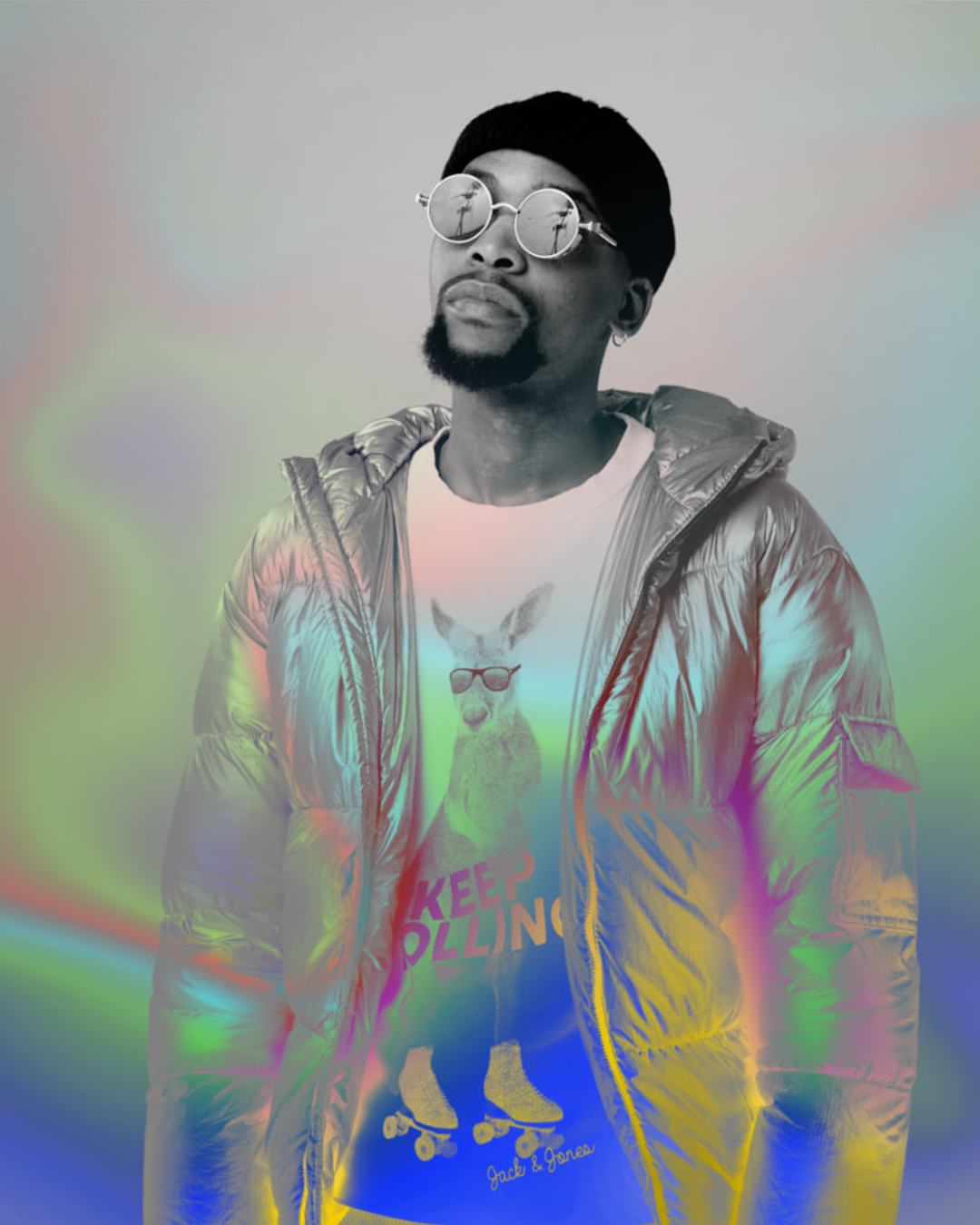 Tete
TeteOnce deliberation was complete, the two whittled down 50 tracks to 15. Even though the album wouldn’t be released in full until early 2023, tracks like ‘Zamalek’ and ‘Izandla Phezulu’ laid the earliest foundations for 3-Step, which quickly leaked out on Johannesburg’s streets. Upon first listen, those who are unfamiliar with South Africa’s sonics will choose the “3 kick” descriptor as the defining characteristic of the sound, and will be surprised by the strong kwaito-centric leanings of ‘Bra God’. However it is the combination of sonics that truly encapsulates 3-Step’s intention, making the album a must-listen for enthusiasts wanting to craft their own iterations and tinker with their own uniqueness. Thakzin has since gone on record to explain that 3-Step isn’t a subgenre or a set of sounds to be adhered to, and that there is “nothing new under the sun” to be claimed by any one creator. In fact, it is the opposite – it’s an invitation to move. Away from borders, boundaries and bias, toward a sense of self-acceptance and community that can only be harnessed once it is shared.
By the time June of 2023 was underway, the sound went on to rival the behemoth that amapiano became, quickly taking the limelight of that festive season, which saw amapiano’s (unofficial yet streets-approved) “song of the year” streak broken, as both contending tracks ‘Horns in the Sun’ and ‘iPlan’ (by Dlala Thukzin, Zaba & Sykes) were considered 3-Step, remaining the prevailing favourites for the season thereafter. As 2024 rolled in, Black Coffee ceremoniously passed the baton to Thakzin at his annual Deep In The City event, signalling the arrival of a new movement during his closing set. Thakzin and Dlala Thukzin closed out that year together with ‘Dali’ on the latter’s ‘Finally Famous Too’ album, as the two powerhouses and their peers set the tone for what proved to be yet another pivotal 3 Step-led South African summer to come in 2025.
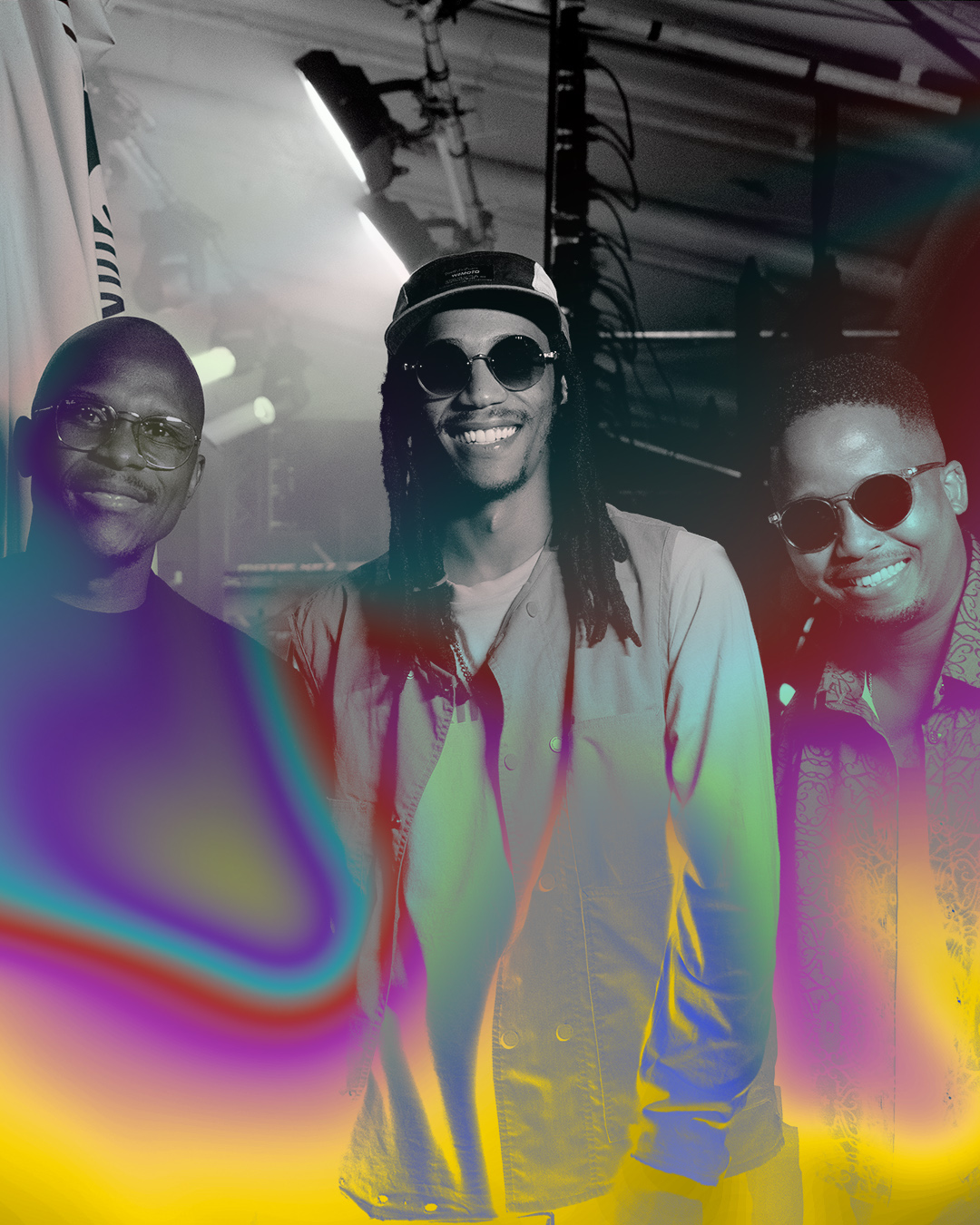 DJ Kent, Thakzin and Mo-T
Since considered by the public as the “3-Step King”, Thakzin has had a tremendous run, travelling worldwide while drip feeding releases to an expanding following in the run-up to his recently released debut album, with his heart on his sleeve and the back of his shirt often emblazoned with messages of hope and inspiration for the many following in his wake – “artists are the new athletes”, “choose to be kind” and “the world is better with you in it” among them. Still, the concept of “king’ remains a title he’s in no rush to claim, even as the audiences he leaves inspired in his wake, insist on it.
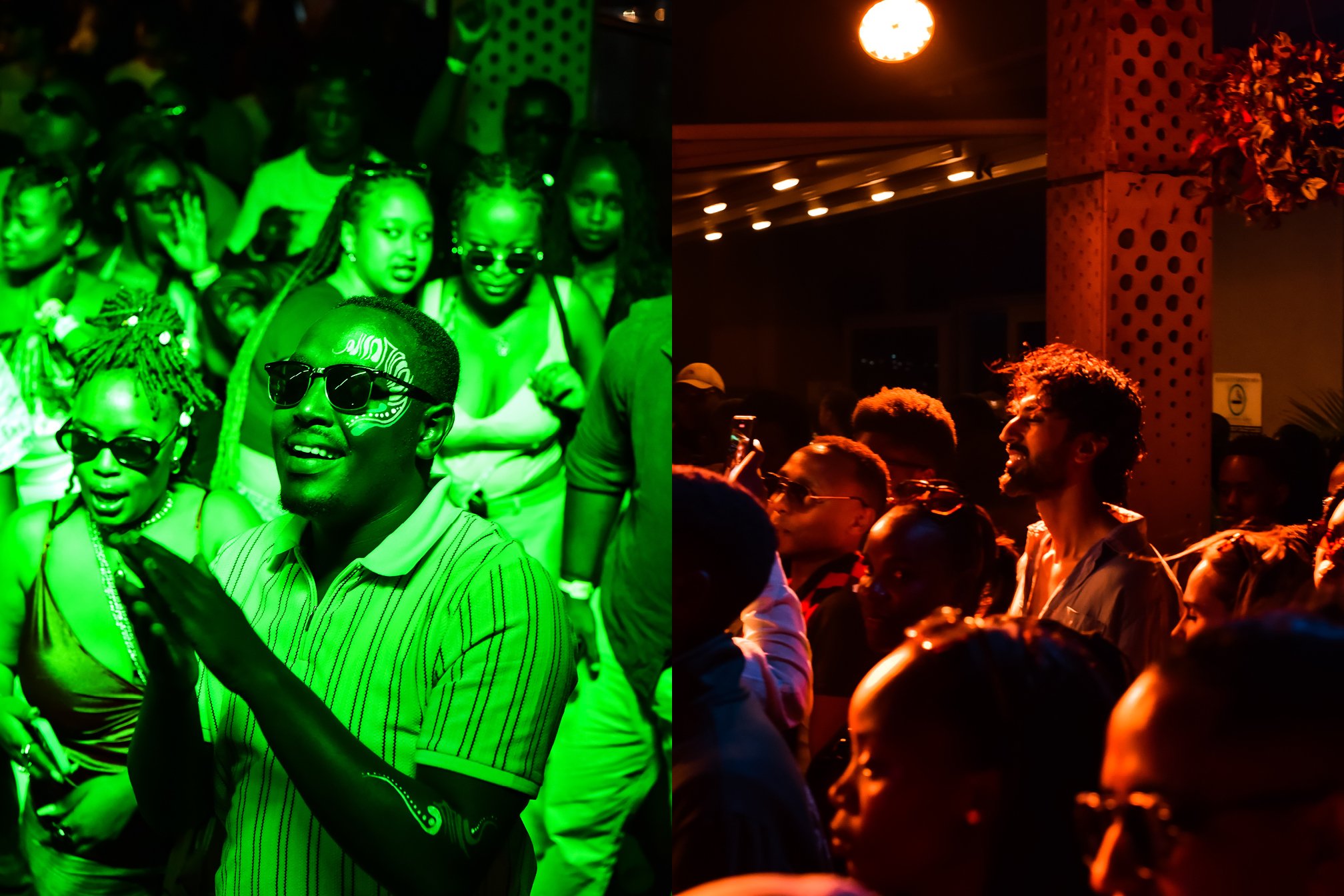
After succeeding in blending genres with ‘Bra God’, he’s sought to continue to pierce boundaries in culture and heritage as well, pursuing partnerships that honour his Pan-African identity – reaching out to West Africa with masterful collaborative works including a remix of Victony’s ‘Margaret’ as well as ‘Pambo’, while cradling Cape Verde and Angola in a reimagining of Batida and Mayra Andrade’s ‘Bom Bom’, urging us toward a greater good of cross-border collaboration. He continues to pursue strong messaging in what could be insinuated as a tongue-in-cheek nod to his burgeoning success, corralling diverse audiences at home and abroad in the Djoon release of ‘Jungle Fever’, where one can either listen for the sounds of crickets, birds and frogs — or tune in more closely for the exploration of infatuation across racial and cultural lines referencing Spike Lee’s classic film of the same name. ‘Ithuba’ featuring Simmy and Hyenah speaks of opportunities taken with both hands to embrace one’s progress on a path not many would brave. His 2024 ‘Chemistry’ EP via Sondela urges us to look closer and experiment with feelings that move us on a molecular level. Tracks on his debut album ‘Gods Window Pt.1’ have numerous co-creators and they are always credited (unfortunately not always the norm in the music industry of South Africa and beyond). For Thakzin, what is most important is the spirit of the music and what it can do for all of the Afro-scenes and our Afro-sensibilities, in society, in studio and on stage:
“Firstly I wanted to create a sound that connects Africans through the rhythm part of things, because we’re rhythm-based people. It’s always easier for me to create from my background, sampling from the past and combining it with what I know, to represent what is happening now. 3-Step is a bridge we can all cross, no matter where we’re from. You can see it in ‘The Road is Long’. The whole idea of that song and the map in the artwork is to show that different worlds are connecting. We all come from different paths but we are still on this road, and somewhere along the way there’s an intersection where we all meet. Where that is, I don’t know, but at least we’ll be together.”
THE GAME HAS CHANGED
Until recently, there’d been a belief that artists working within a particular scene should stick to the sound they started out creating instead of “selling out” or giving in to commercial allure, and avoid “watering down” their genres. This rigidity has created an intense aversion to challenging the status quo and a copycat approach to music-making. With South Africa’s astounding consumption and production in house music, there’s been a need to gatekeep the sounds essential to transforming what was once a very repressed nation into one that can’t seem to contain the creativity it’s now generating at heart-stopping speeds, in order to protect its creativity from external influences, exploitation and interruption. With the segregation of peoples by country, then by race, came the eventual segregation of genre, where one has to be conquered or to “die” before another can succeed commercially. Even in its incredible global success as one of the biggest musical exports Africa has ever seen, it’s believed that amapiano “killed” gqom and hip hop. In the same breath, however, amapiano failed to provide an opportunity for Black people across the world to congregate the way that house, R&B and hip hop had, with its originators at the forefront – championed, booked, honoured and documented worldwide without unease from local early-adopters and producers who often feel left behind. Sentiments such as “protect the sound at all costs,” “gatekeep amapiano,” and more came with its global appeal as Nigeria wholeheartedly imbued Afrobeats with amapiano’s sonics, unleashing a wave upon a global music industry that couldn’t tell the originators from the innovators. Many South Africans felt robbed and looked to Nigeria assuming malice. Even then, those at home in Afrotech and gqom resigned themselves to the idea that in amapiano’s wake, their genres were headed for the grave.
A pioneer of the Afro house scene and a multi-platinum selling producer, Mkhululi “Heavy K” Siqula has enjoyed over a decade of chart-topping releases across Africa, touring the continent more times than any other South African act. Producing his first major track in ‘Lento’ at just 16, and collaborating with the likes of Wizkid, Jah Prayzah, Davido, Jorja Smith, Burna Boy, Tresor, Oskido, Busta Rhymes and many more powerhouses in global Black music, there’s hardly a place on the map Heavy K’s music has not travelled. He’s united the continent on dancefloors since, and in the current climate, he wants to do it again.
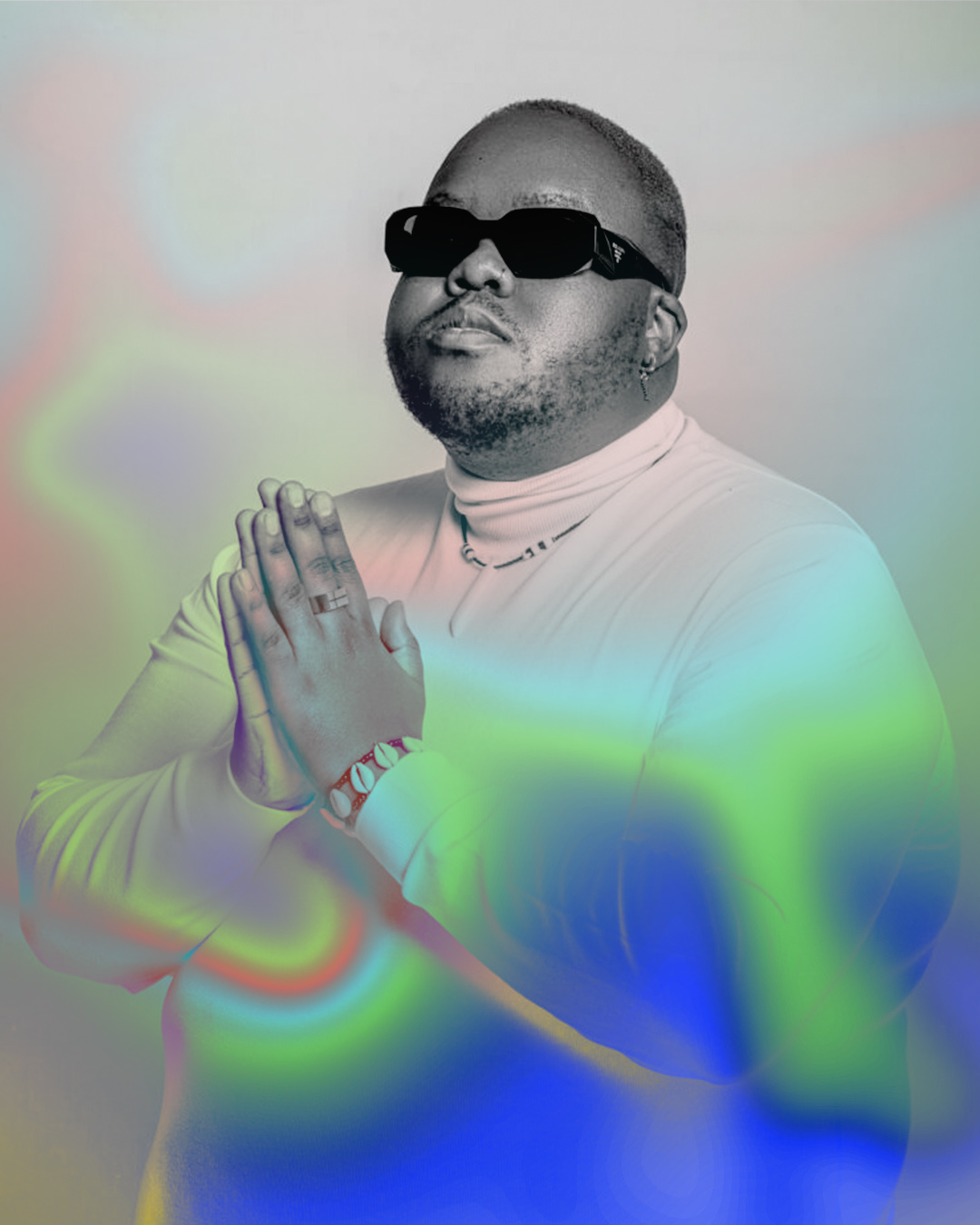 Heavy K
“If you’re an African, no matter the language, or where you are in the world, there’s a spark inside you that we all share and no one can take away. That’s how I know we must move as one. We’re on the right track, it’s just a matter of time,” says Heavy K. “As South Africans, we are a hurt country, and our oppressors did a lot of damage in terms of brainwashing us against each other. Self-destruction is the most powerful tool anyone can use against you. We end up damaging ourselves without even noticing. My country has been let down, so our judgement is often misplaced. This is a sensitive topic. We have to be careful of how we speak, even to our own people, because there’s a lot of backlash. I’ve performed in more African countries than I’ve performed at home and people have said that I don’t care about my people because I’m too busy benefitting from other Africans. There are so many perspectives, but we can’t keep quiet as artists. Our oppressors have made it seem like it’s us against us, so it’s instilled in us that Africans are enemies. But on the music side of things we are one. So we as artists can’t stop, we can’t be quiet. We must make it a priority to collaborate. Let’s lead by example. Let people see us perform together. While the war is happening between Nigeria and South Africa online, let us as artists show them the right way by creating the way we were always meant to.”
Ghanaian multi-disciplinary artist, DJ and author of Return to Source: Unlock the power of African-centered Wellness, which received the World of Books Impact Award, Araba Ofori-Acquah has dedicated her life to the preservation and reimagining of African tradition. Her residency on Accra’s beloved Oroko Radio explores African spirituality while her event series in the Ghanaian capital called Transit Live encompasses all of her beliefs, including those of an Africa freed from the many fears that plague communities continent-wide.
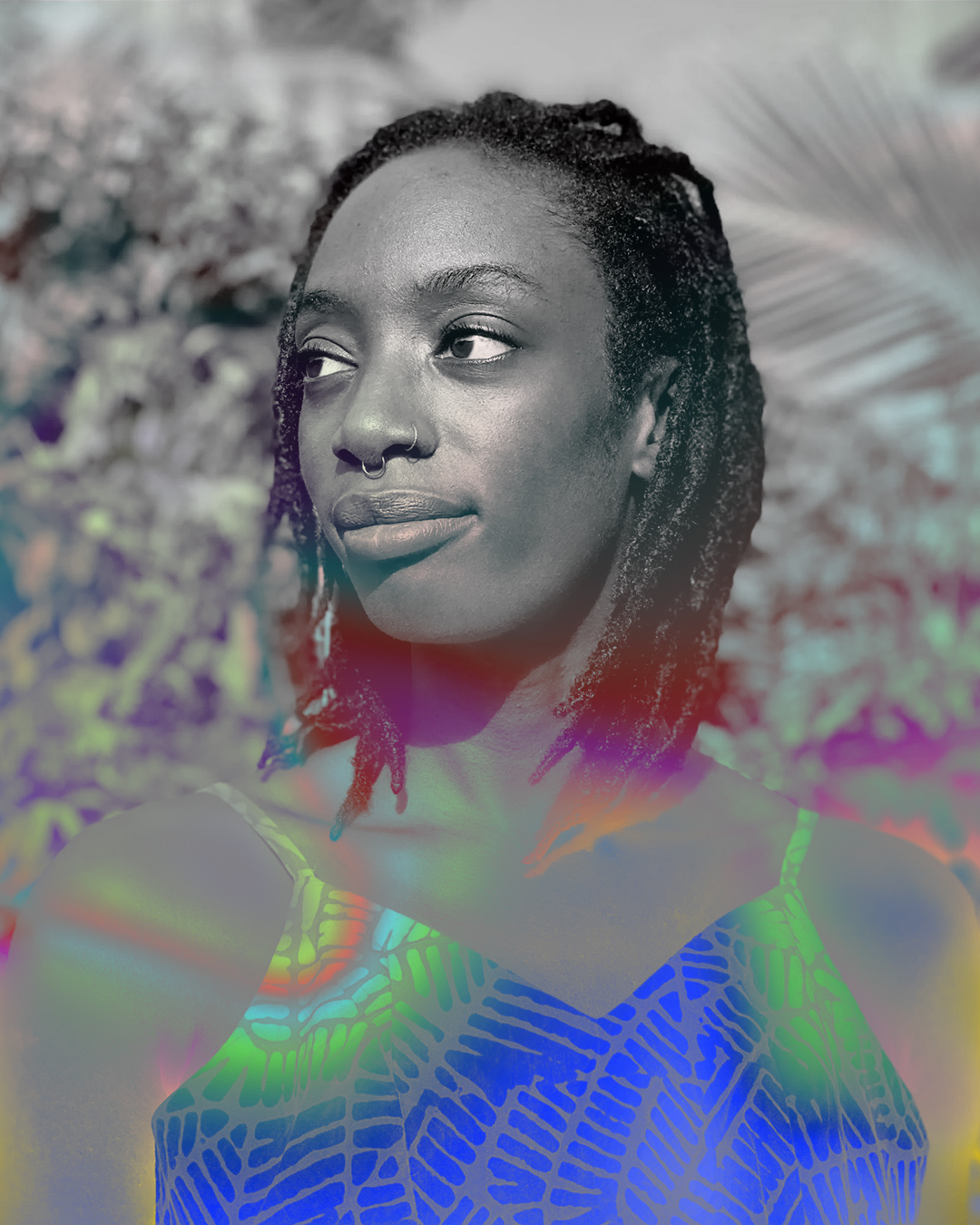 Araba Ofori-Acquah
“I instantly fell in love with the 3-Step sound before I even knew what it was. But now, coming to understand the philosophy behind the genre, it means even more. To me, Pan-Africanism is more than just a political ideology or cultural trend. It’s a path – perhaps the only path – to healing and liberation for the global Black community. We are not a monolith but we are inextricably linked; it is through celebrating our connection that we unlock the power of the collective. What does this have to do with 3-Step? In just one song I can hear (or rather, feel) the futurism of South Africa, the spirituality of East Africa, the rhythm of West Africa and the tradition of North Africa. It’s a sound that feels so familiar, so ancestral and yet, so new. To put it simply, it’s pure magic.”
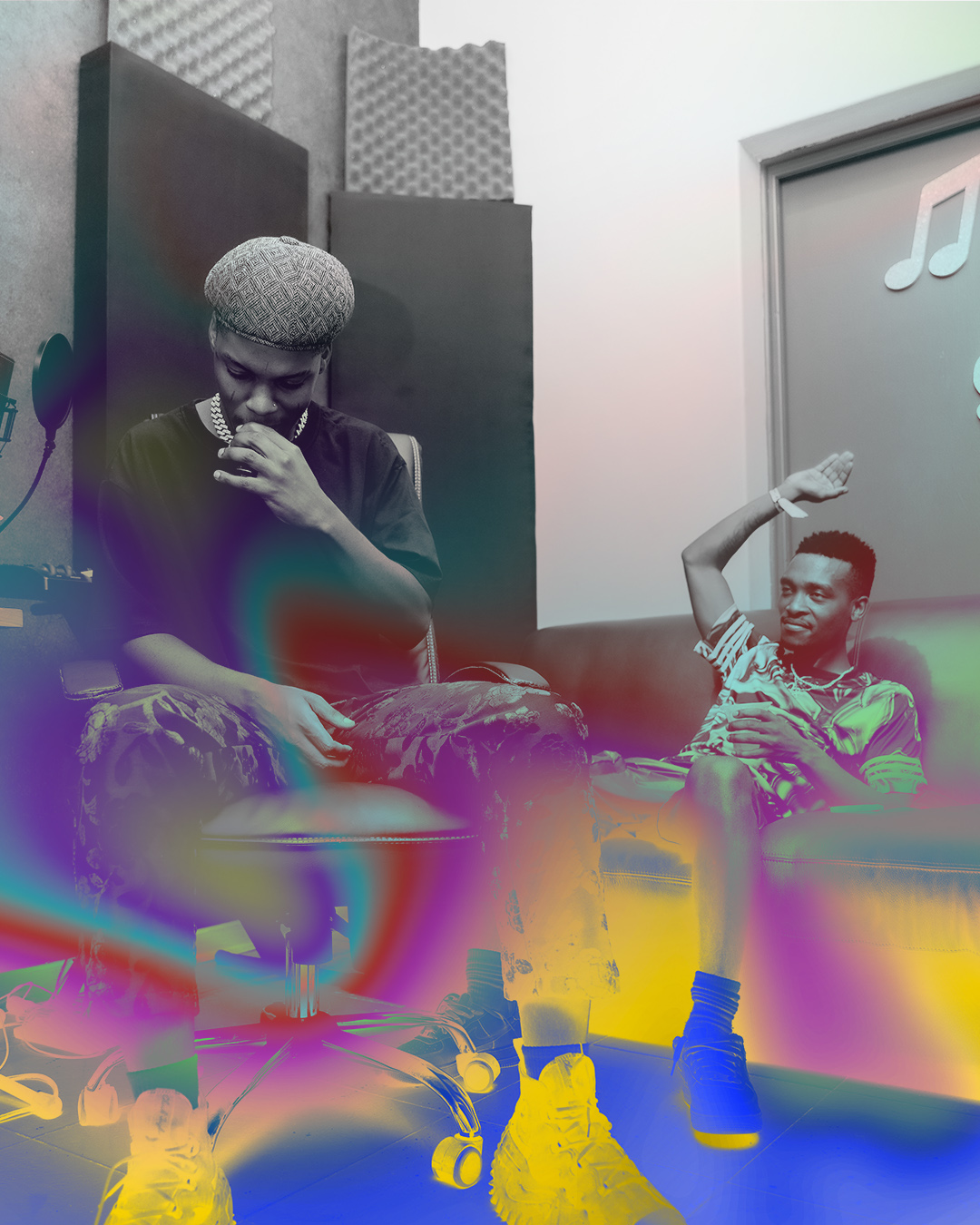 Sykes and DJ Lag
South Africa’s “gqom king”, DJ Lag, managed to pull off 3-Step that undoubtedly bears his signature on his ‘The Rebellion’ album, as well as adding fresh percussives to prevalent gqom styles alongside Afrotech behemoth Vanco and long-time 3-Stepper Sykes. He has the following to say about embracing Africanness with integrity, migrating genres and the fear of dabbling with new sounds to find uniqueness:
“The sound spreading to other countries is going to happen anyway, whether people like it or not. The whole world is looking to us for inspiration. Even in Tokyo right now there are guys producing gqom and having gqom events – but I don’t have a problem with that. That’s what has to happen for the sound to grow. Even with hip hop, hip hop is not South African; it’s American, but look what we’ve done with it. If Americans had a problem with that, they were supposed to tell us a long time ago! That’s why the sound is still alive today. So people need to relax and move together. The problem comes when artists copy each other just because it’s trendy. We don’t need knockoffs of the same stuff. Afrobeats is big. But don’t try to do what Nigerians do ‘just because’ – if you’re gonna do that at least make sure you’re good at it, interacting with those who started making it and staying true to your own sound. We have to stay different. We have to experiment and keep the quality high. Try something new. We have to make the best music we can, and let it speak for itself.”
Nigeria’s electronic music scene is awash with Afrobeats flavoured amapiano, but a good look toward the underground will show that Afro house is alive and well in West Africa, with events sprawling from Lagos and beyond. Aderinsola Ogala, known as ANIKO, founded Group Therapy, an event in Lagos designed for queer folk to embrace Afro house, Afrotech and electronic music of all forms. Referring to herself as a “cardiologist”, music is all about healing the heart for Aniko. Taking inspiration from folks like Enoo Napa and DJ Merlon, she believes they have preserved the original Afrotech sound and prefers not to stray too far from that for her own productions. Even in that personal choice, she appreciates how music and culture can be fused to create something special.
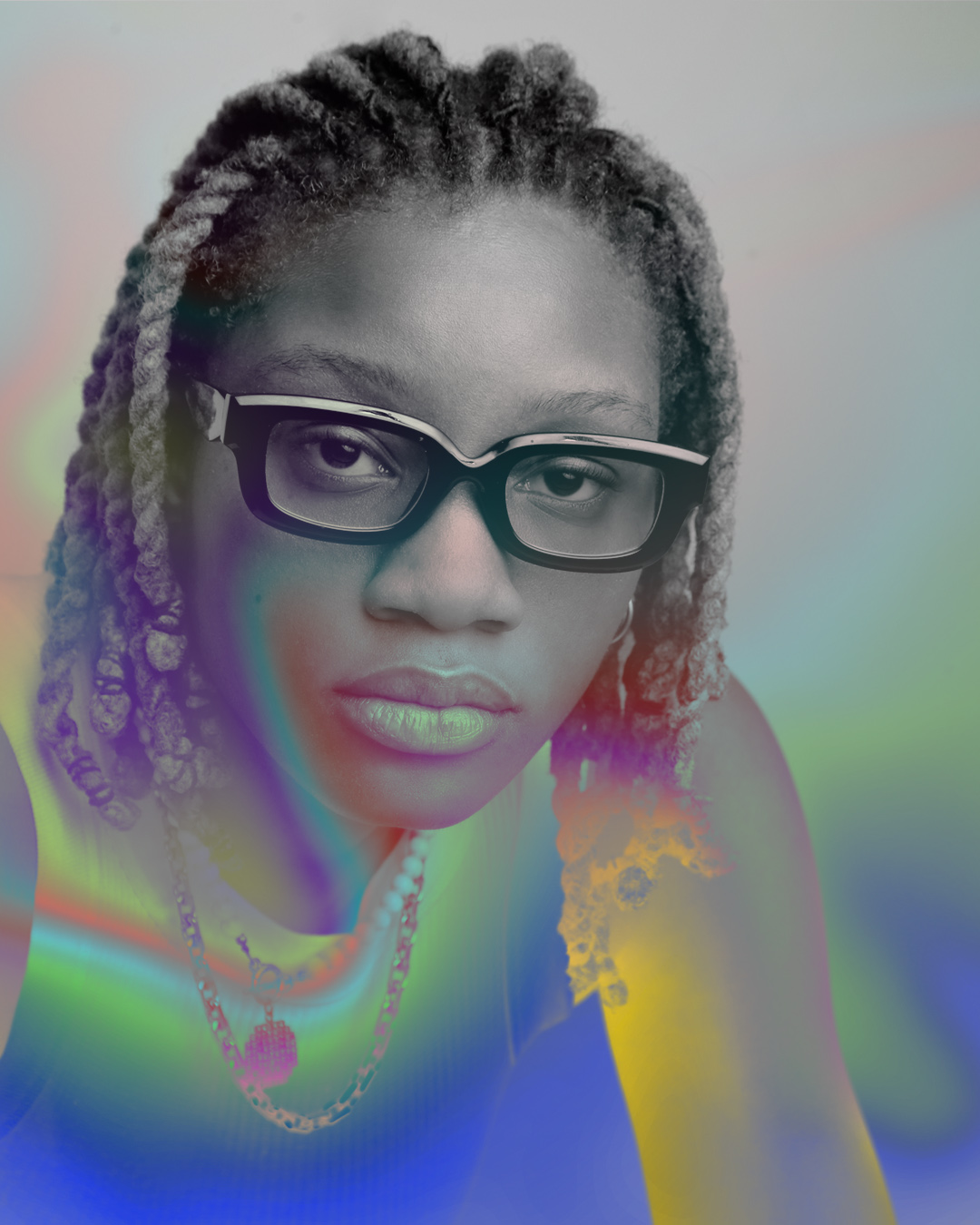 Aniko
Aniko“I get the frustration from South Africans. I’m a pure Afrotech head now but I used to play amapiano in 2019, and at the time it was still fresh. The flavour of that amapiano cannot be replicated, it was a really special time and I can hear the difference in Nigerian amapiano, we definitely don’t make it the same. Even when I was in Cape Town, I heard ‘Sete’ for the first time and I thought ‘wow, this is some dope Afrobeats even though it’s not Nigerian.’ I streamed it over and over again, it was beautiful. That track showed us what happens when we can share in the music. So Afro house is definitely a bridge between us; just look at how Sun-El and Ayra Starr worked together on the ‘Bloody Samaritan’ remix, or how Adekunle Gold had ‘Lost’ with El Mukuka years ago. Nigerians are very picky about what they listen to for sure. Hearts beat faster over here in Nigeria. We get up in the morning and start hustling, straight up. So our music is always upbeat, as you can see in Highlife, Afrobeats and Fuji. Our house is all Fela Kuti-infused, with folks like Ekiti Sound and Eli Fola killing it today. But that doesn’t mean that 3-Step isn’t coming for us. People will be inspired by anything good, anywhere. It’s part of life. Music is meant to be innovative and can’t be gatekept forever, even if some folks don’t like it. We all need to chill. We are meant to be collaborating, cultures are meant to be fused. We can’t stop evolution.”
MAJOR LEAGUE DJZ are another duo turning toward the Afro house realm while keeping with their love of amapiano along with Africa’s various contributions to music. Being born in the states has its perks, but Major League have made very concerted efforts to wear their Africannesses proudly. Collaborating frequently across the continent as well as with acts abroad, their openness has made them an unstoppable force.
“I think as South Africans we get too comfortable.” says Banele of Major League DJz. “Nigerians know how to be uncomfortable and to be okay with that discomfort. They’ll go to New York for a little while, come back home, and strategise. Go out again. They’ll go and live in the spaces they want to dominate in, and learn about that space, work to understand that space. So they know how to thrive anywhere. I can’t blow up in America without understanding how Americans move and how the dance scene there moves, who is who and what is what. It’s the same anywhere else. We need to understand how others think and learn from them. I believe we can learn from each other as Africans. There’s nothing cooler than being African right now. Across the world in every genre, in every sport, business, everything. It’s Africa’s time. I think Africans that live in the diaspora are happy that it’s their time too. It shows you that African dance music can be thought of as consumable and celebrated anywhere. You just need to find the right spaces, to know what you’re doing and to keep going no matter what. You have to trust your dopeness and get yourself into places where you’re not comfortable, in order to really learn what you’re made of.”
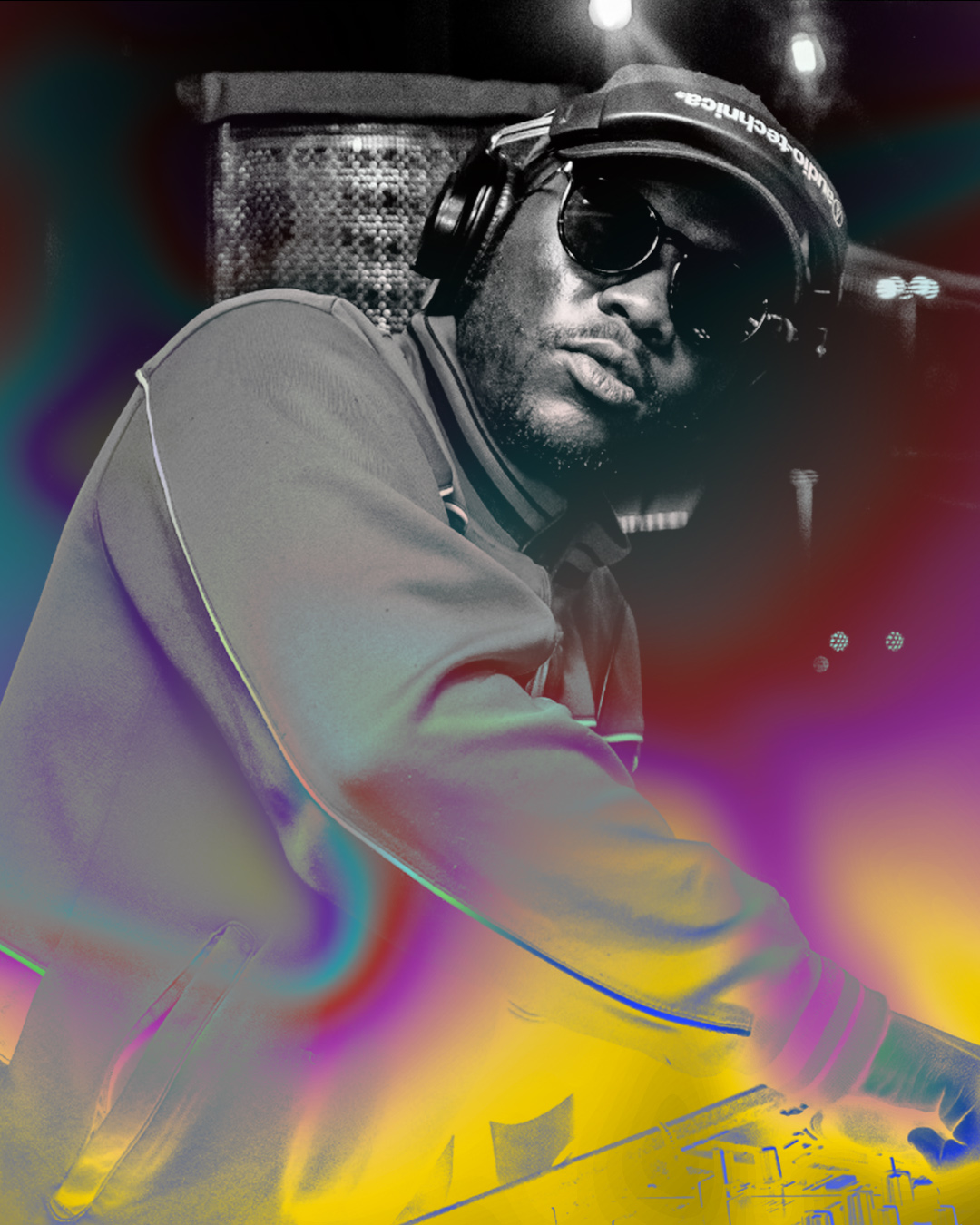 Atmos Blaq
By the time Samukelo “ATMOS BLAQ” Shembe had entered the chat, the sound was well on its way, and he was quickly thrust into the limelight as the “3-Step prince”. Appearing everywhere and an early adopter, Atmos had spent the last few years amassing an audience that would follow him straight into 3 Step’s arms with a string of releases including ‘Kwa Mama’, which drew the attention of folks like Kaytranada, The Weeknd and Benji B. His ‘Baye Baye EP’ teases more of the sound’s variants with an unrelenting tune made with Papany in ‘Hekele’ that populates any dancefloor, closing off the year with a long-play alongside Major League DJz and a slew of South African stars titled ‘The 3 Step Ritual’. Considering Major League’s penchant for partnerships with artists such as Pheelz, Usher, Victony and Wiz Khalifa, it’s clear that South African house’s close quarters with pop music no longer stays on a local scale, and 3-Step’s journey to prominence may not be as long as gqom’s and amapiano’s were, in creating a bridge between the underground and the commercial.
“What I hear in the house music scene is that the sound just keeps on evolving into something amazing, and 3-Step resonates more with the commercial market. When was the last time an Afro house DJ played after an amapiano DJ?” says Atmos. “‘Kwa Mama’ was me fooling around to be honest. I was inspired by what Thakzin was doing and I thought I’d try it for myself – I didn’t expect that it would do that well but it’s been a blessing.”
In that sense, the inception of 3-Step has achieved a refreshing new tipping point where DJs and producers are fed spiritually, creatively and financially. Now described as more of a movement than a genre, 3-Step comes when every stifling unwritten rule and limiting belief weaved throughout house music across the continent has begun to unravel: the idea that house music is a European construct; that house music will always be an underground phenomenon; that house music can only be successful and acceptable in the hands of Eurocentric South Africans, using South African sounds. That playing what Western audiences want is the key to thriving as a house creator. That making commercially successful music spits in the face of house’s ethos. On the contrary, the music being generated by these artists is a direct counter to a culture of repression, self-doubt and fear. The time of “staying in your lane,” “avoiding politics,” and “changing your sound for Western audiences” is fading. The game has changed, and so must our thinking around African music.
Shiba Melissa Mazaza is a freelance writer, follow her on Instagram

Leave A Comment
You must be logged in to post a comment.