
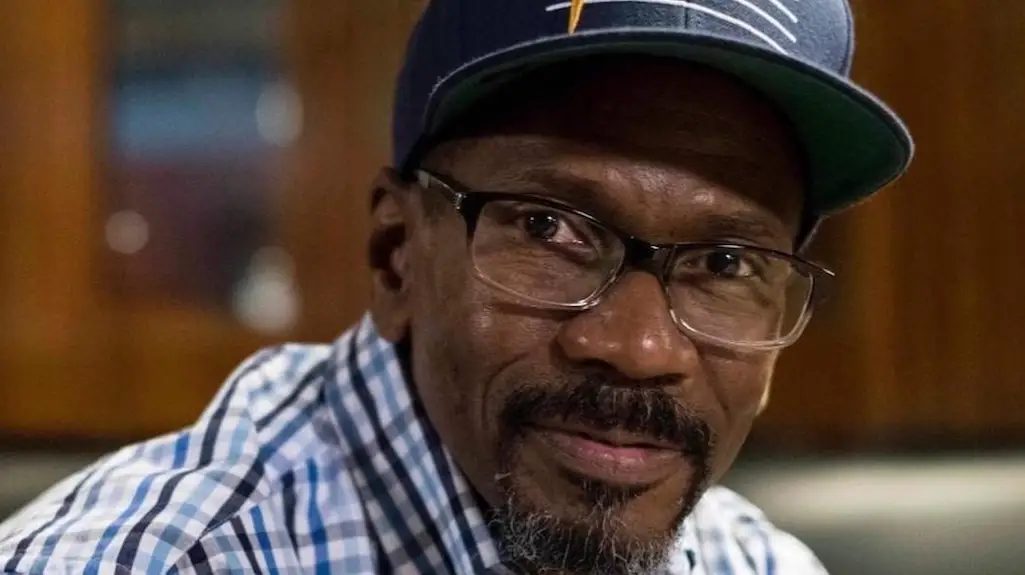
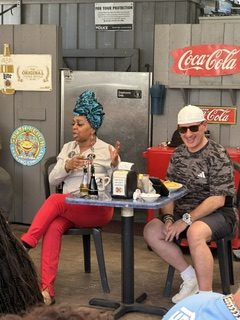
At ADE this year, Michele Sensale and My House Radio owner James Hall had the great pleasure of sitting with Boston’s own Reginald Johnson for an amazing, evening-long conversation. Now, we’re sharing those impressions with our audience, with thanks to Reggie for his time, his stories, his insight, and his soul-bearing honesty.
House music has always been more than music. It’s a sanctuary. A protest. A communion. A memory loop that refuses to let go of the people who built it. For those who truly live inside it, house is not something you age out of—it’s something you age into.
For Reginald Johnson, house music is not a chapter of his life. It is his life.
As a house music elder statesman, Johnson stands as one of those rare figures whose story mirrors the evolution of house music itself: born of Black queer spaces, nurtured by community, shaped by loss, resistance, joy, and an unshakeable belief that music—when done right—can still save us.
This is not the story of a DJ chasing relevance. This is the story of someone who never left the floor.
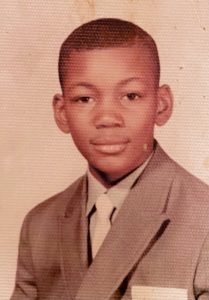
The Sound Before the Spotlight
Before clubs. Before residencies. Before Amsterdam Dance Event and GDE. Before long nights and longer flights. There was a kid in Brooklyn with curiosity, grief, and an instinct for making things with his hands.
Johnson lost his mother on his birthday—an event that marked him deeply and early. In the absence that followed, he found himself drawn to craft and creativity. One of his first memories is dismantling his mother’s sewing machine, trying to understand how it worked. Not long after, he made his first piece of clothing: an ascot.
It wasn’t fashion he was chasing—it was structure, process, expression. The idea that something broken could be reassembled into something meaningful.
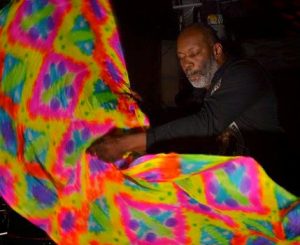
That instinct would follow him everywhere.
After his mother’s passing, Johnson worked as a florist, learning color, texture, balance, and presentation—skills that would later show up in his lighting designs, sound systems, and DJ sets. Beauty mattered. Atmosphere mattered. Intent mattered.
“I’ve always been about how things feel,” he says. “You walk into a room, and before the music even hits, you should already feel something.”

Lighting the Room Before Owning the Booth
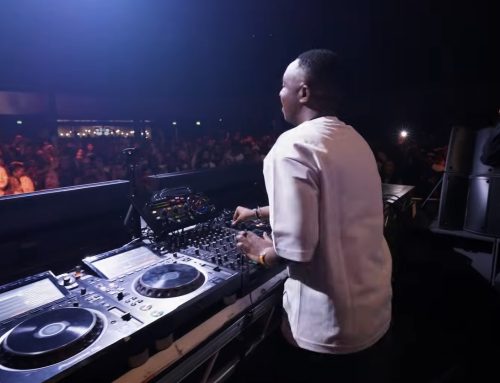
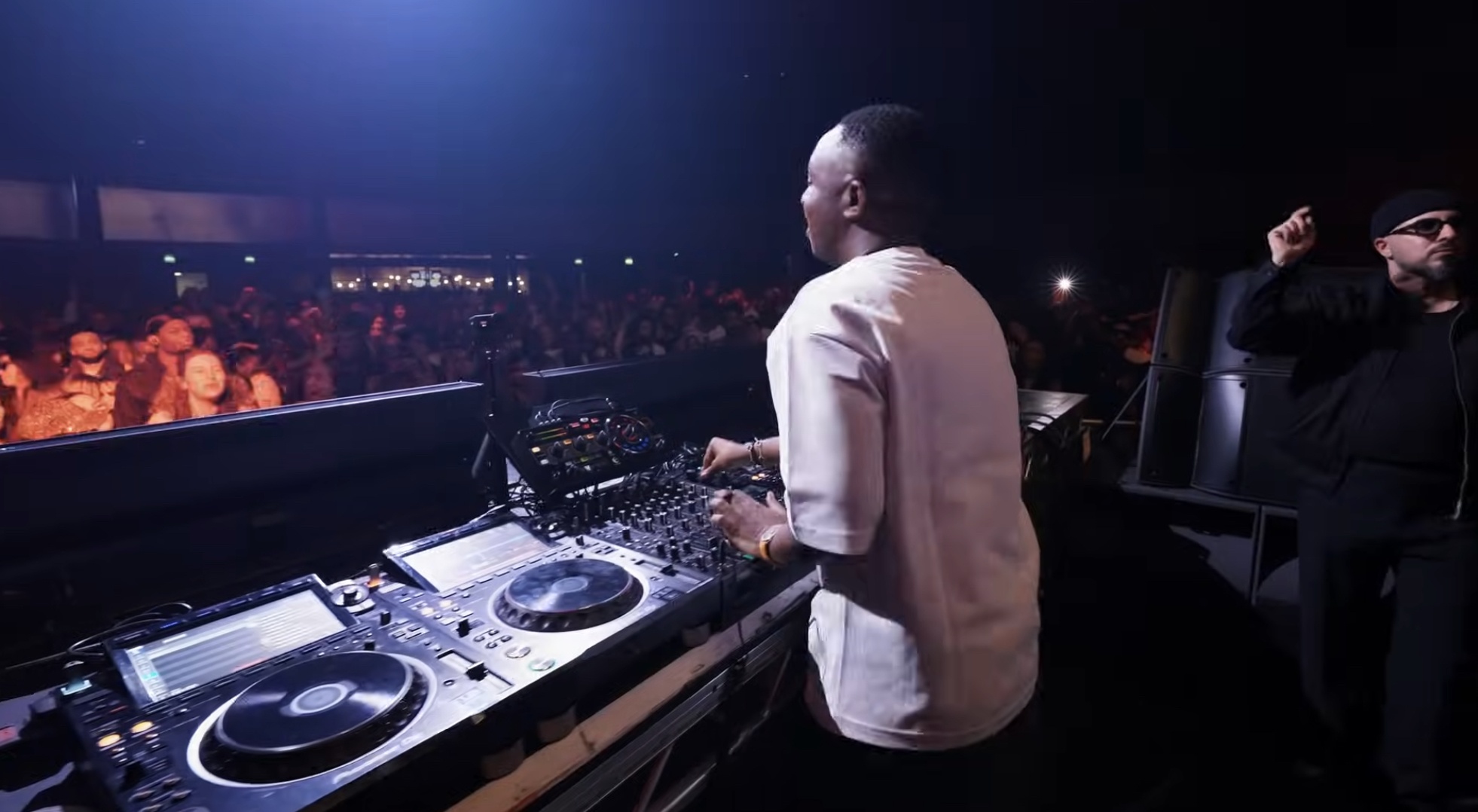
Johnson didn’t begin as a DJ. Like many foundational figures in house music, he came up through the infrastructure—lighting, sound, setup, breakdown.
He learned clubs from the inside out.
He learned what bad wiring could do to a room. What a system out of phase could steal from a crowd. How sound moves differently depending on ceiling height, bodies, sweat, and time of night.
This was not glamorous work, but it was essential. And it gave him something many DJs never acquire: a total understanding of how a room breathes.
When he did finally step behind the decks, he wasn’t guessing. He was listening.

House Music Is Not a Playlist
Johnson is unapologetic about one thing: house music is not about playing what people already know.
“It’s not about throwing music at people,” he says. “You tease them. You let them think they know it before they really do.”
That philosophy was inherited from elders—DJs who understood restraint, pacing, and trust. DJs who believed in education through pleasure.
“You give them something familiar to get them on the floor. And then, once they trust you, you teach them.”
To Johnson, DJing is culinary.
“It’s like preparing a meal,” he explains. “An appetizer. Something to cleanse the palate. Soup. Then the heart of it. Dessert. A drink at the end. You don’t just slam everything at once.”
This approach—peaks and valleys, tension and release—comes straight from the lineage of house music’s architects: Frankie Knuckles, Larry Levan, Tee Scott. DJs who understood that silence, space, and patience were as important as kicks and claps.

Race, Expectation, and Resistance
As a Black DJ, Johnson was often boxed in by what club owners expected him to play.
“They wanted ‘Black music,’” he recalls. “But their definition was narrow.”
Johnson resisted. He played Debbie Harry. He played records that challenged genre assumptions. He reminded people that music history is layered, hybrid, and queer long before marketing departments caught up.
That resistance wasn’t always welcomed—but it was necessary.
House music itself was born from resistance: Black, queer, working-class communities carving out space when disco was pushed underground by racism and homophobia. Johnson understood that instinctively.
“You don’t build this culture by playing it safe,” he says.
Boston, New York, and the Long Memory of the Floor
Johnson’s years in Boston connected him deeply to the East Coast house continuum. He witnessed nights where New York DJs brought the city’s underground ethos north—introducing new sounds, new standards, new possibilities.
One of the DJs he admired deeply eventually shifted his approach, playing to crowds instead of for them.
“That’s when it changed,” Johnson says. “He stopped educating.”
For Johnson, that moment became a line in the sand.
“I refuse to give in,” he says. “People will like what I like—if they’re given a chance to hear it.”
After decades in the game, that philosophy hasn’t softened. If anything, it’s sharpened.
Amsterdam, GDE, and Finding Family Abroad
When Johnson first connected with Gay Dance Event (GDE) during Amsterdam Dance Event (ADE), it felt like coming home.
Founded to spotlight LGBTQIA+, Black, female, and minority artists within the global dance music industry, GDE exists as a corrective—a reminder that house music’s roots matter.
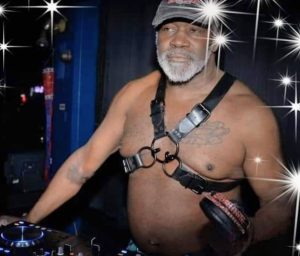
Johnson became a fixture. He played multiple nights. He showed up even when flights cost hundreds more than his fee. He came when others couldn’t.
“We all do this out of pocket,” he says. “Nobody’s getting rich.”
He remembers moments both absurd and profound: people having sex upstairs while he played downstairs; long nights that stretched into morning; audiences that listened.
When a founding member of GDE passed away, Johnson became, unexpectedly, one of the faces of the organization—appearing on websites and promotional materials.
“I wasn’t president,” he says. “But I was there.”
Presence matters.
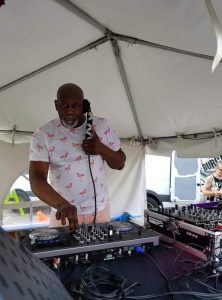
The Cost of Showing Up
Touring is not cheap—especially when you’re not backed by corporate sponsorships or industry hype.
Flights triple. Hotels surge. Expenses pile up.
“There was a moment where I had to choose between getting my brakes fixed or flying,” Johnson admits. “I flew.”
Why?
“Because I gave my word.”
That ethic—keeping promises, honoring commitments—runs through every chapter of his story. It’s why people trust him. It’s why communities endure around him.
Konocopia: When Music Becomes Action
One of the most powerful chapters of Johnson’s life emerged from loss.
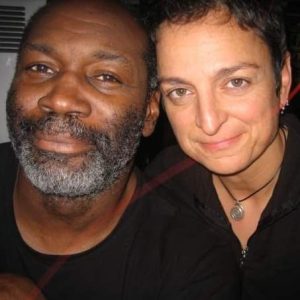
When his close friend Kris Kono—DJ, promoter, and beloved community figure—was diagnosed with cancer, Johnson stepped into a role he hadn’t planned: organizer, fundraiser, leader.
Konocopia was born.

A benefit event built entirely on volunteer labor, donated talent, and collective love. No one got paid. Everything went to charity.
The first year raised $150,000.
The second year raised nearly $90,000.
DJs, promoters, advertisers, street teams—people from every corner of the scene came together. Not for clout. For Kris.

“Everybody loved her,” Johnson says. “Straight, gay—everybody.”
Konocopia became proof of what house music has always been capable of: mutual aid before the term was fashionable.
Production, Pandemic, and New Chapters
During the pandemic, Johnson turned inward—and forward.
He began producing.
Re-edits. Afro-house influenced tracks. Soulful, rhythmic, grounded. One rework of “Ain’t Nobody’s Business” brought dance floors to life when tested live.
Another track, deeply personal, stemmed from a rainy night in Philadelphia, a new relationship, and a lyric that never left him: “Hold me tighter in the rain.”
He’s now reimagining it as a duet—male tenor and female soprano—telling the same love story from two perspectives.
“This is soulful house,” he says. “Not rushed. Not forced.”
He’s taking tempos back down. Letting groove breathe.
Why He Won’t Retire
Johnson’s brother asks him when he’ll retire.
He laughs.
“If I stop, I’ll die,” he says plainly.
Movement keeps him alive. Music keeps him sharp. Connection keeps him human.
“This is my retirement,” he says. “This is my swan song.”
But make no mistake—this is not an ending. It’s an offering.

Love as a Practice
When asked what people can expect from his future work—radio shows, sets, productions—Johnson doesn’t hesitate.
“Love,” he says. “That’s it.”
No branding. No buzzwords. No strategy decks.
Just love.
And in a scene that sometimes forgets its origins, that answer feels radical.
The Legacy That Can’t Be Downloaded
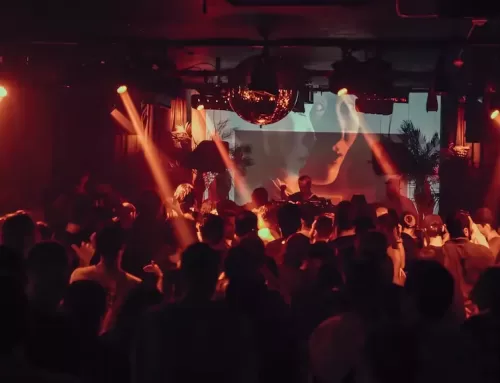
House music didn’t start on streaming platforms. It started in basements, warehouses, and clubs where Black queer bodies found freedom together.
Reginald Johnson is part of that lineage—not as nostalgia, but as continuity.
He teaches by playing. He heals by showing up. He remembers when others forget.
And when the lights go down and the kick finally hits just right, you can feel it:
This is not someone chasing the past.
This is someone protecting the future.
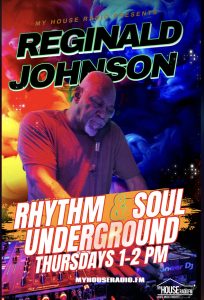
Catch Reginald Johnson on My House Radio — Rhythm and Soul Underground — Thursdays from 1:00-2:00 pm EST



Leave A Comment
You must be logged in to post a comment.