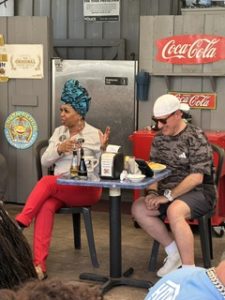
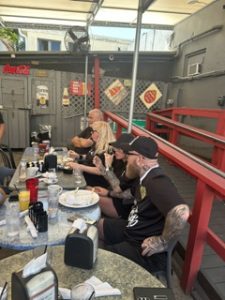
It’s Wednesday morning,. It’s Miami Music Week. I’m at 11th Street Diner and I’m surrounded by house music excellence. How lucky am I? VERY!!
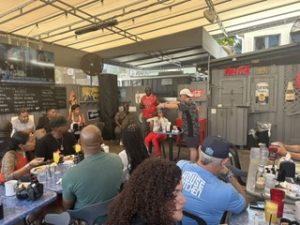
11th St Diner transformed from a casual breakfast spot into a productive salon for the future of house music with a brunch hosted by industry legends Barbara Tucker and Georgie Porgie. This gathering brought together artists, label owners, managers, and house music enthusiasts for a candid discussion about where the genre is headed and the roles each stakeholder can play in shaping its trajectory. The event balanced warm hospitality with sharp industry dialogue, echoing the diner’s reputation for good food and even better conversations.
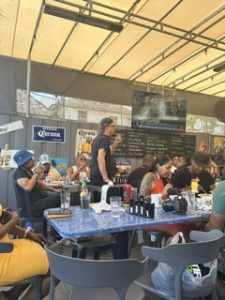
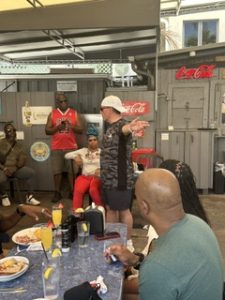
The vibe: great food, great service
The brunch menu delivered with the reliability fans expect from 11th St Diner—savory pancakes, eggs, brisket hash, and an array of plant-based options—paired with craft coffee and refreshing mimosas.
Service was attentive and personable, creating a welcoming atmosphere that encouraged open dialogue. Attendees spoke freely, knowing the tone was familiar, communal, and collaborative. The casual backroom setting set the stage for a thoughtful exchange that felt both intimate and industry-wide. To be honest, my head was overflowing with ideas inspired by the room and all of the talent in it.
A forward-looking conversation
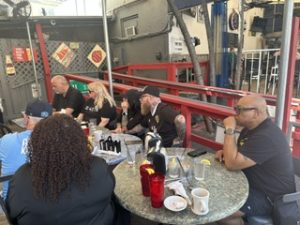
Barbara Tucker and Georgie Porgie opened with a shared vision: to illuminate the future pathways for house music by centering on collaboration, education, and community mentorship. The event was very interactive: instead of giving a lecture or hosting a panel about the future of house music, Barbara and Georgie opened the floor to questions. Anyone could ask a question on anything pertaining to the industry. Barbara and Georgie offered their opinions on some of the topics raised, and they also opened the floor to anyone who wished to comment. They made you feel welcome and free to speak, offering that sense of community that they hope will shape the future of house music.
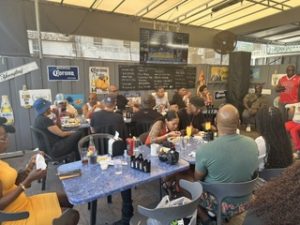
One of the themes of the discussion was collaboration. A clear emphasis that artists, label owners, managers, promoters, and broadcasters must collaborate in order to preserve artistic integrity while expanding reach. The room explored practical ways to align creative output with long-term industry health, including sustainable touring practices, transparent contract discussions, and innovative promotion strategies.
Another topic of discussion was Barbara Tucker’s book, Music Industry 101. Because it is relevant to so. many aspects of the industry for both new and seasoned artists, the discussion often referenced Music Industry 101 and, in particular, Ms Tucker’s ongoing contribution and commitment to the holistic education of artists in areas far beyond music. Attendees discussed how the book can serve as a practical guide for newcomers navigating contracts, branding, and career development within house music and related genres.
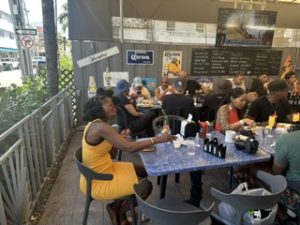
An additional topic of discussion was the role of internet radio, My House Radio was highlighted as a worldwide platform that democratizes access to dawn-to-dusk, 24/7 house music programming. In a dialogue between Georgie Porgie and My House Radio founder James Hall, James spoke on the importance of radio to artists as well as the larger house music community. As he pointed out, artists benefit from having their tracks played regularly by My House Radio DJs. Similarly, the My House Radio DJs pride themselves on bringing to light the latest and greatest house music tracks. To that end, James encouraged the artists in attendance to share their music for airplay for the mutual benefit of the artists and the My House Radio DJs.
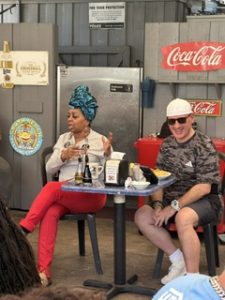
Another recurring theme was the importance of mentorship across generations, especially for underrepresented groups and communities with limited access to industry networks. Several speakers shared tangible programs where established artists actively mentor younger peers, including individuals with special needs, ensuring inclusivity in both performance opportunities and leadership roles.
Several attendees described ongoing mentorship programs that pair seasoned professionals with up-and-coming talent. The aim is to nurture confidence, skill development, and sustainable career practices. Ideas circulated about creating a formal network or coalition within the house music ecosystem to amplify shared goals, which could provide better opportunities for education, promotion, and a stronger communal identity.
Toward a more unified house music community
This brunch offered a model of how to host thoughtful, inclusive conversations that respect house music history while actively shaping the future. For readers and viewers in the house music ecosystem—whether fans, DJs, label owners, or club organizers—the event demonstrated that progress is a collective endeavor grounded in open dialogue, practical education, and a shared commitment to mentorship and unity. The future of house music belongs to a community that listens, learns, and lifts each other up—one brunch, one track, and one collaboration at a time.

barbaratucker.jpg







Leave A Comment
You must be logged in to post a comment.