
In the final part of a three-part series on Afro house’s newest evolution, Shiba Melissa Mazaza speaks to 17 artists from Africa and its diaspora about how 3-Step is inspiring innovation
This article is the third in a three part-series about 3-Step and its unifying impact across borders in Africa. The first article analysed how 3-Step’s emergence helped change the narrative of music on the continent against a backdrop of toxic nationalism — read it here; the second article looks at the ways in which the newest evolution of Afro house is bringing musicians together and inspiring collectivity in Africa — read it here
With a renewed sense of adoration for Afro house in the mainstream, comes 3-Step – a blend of various Africentric sounds from amapiano to gqom, Afro-EDM and various artistic nuances. The rebellious, robust Afrocentric philosophy it’s built on sits comfortably with the burgeoning socio-political rhetoric of Pan-Africanism circulating in the news and in the music industry, and it’s seeming more and more like the artists who are ready to explore the continent will be the most primed for success. From early adopters to new-kids-on-the-block, 3-Step has seen tinkering of all sorts, and the following artists have been pivotal to its rise.
With that in mind, a case can be made for gatekeeping the direction Afro house is taking from here, in order to give the African continent a chance to imbue the music with more of the sounds, ideas, languages and contexts that belong to it. A quick look at streaming platforms and their Afro house charts is evidence enough that artists abroad and their interpretations dominate the genre, with very few Africa-based artists featuring. But if gatekeeping is what’s needed, how can that be implemented? How do we contain the feeling 3-Step has stirred up in those close by and those far away? Below is a list of artists struck by 3-Step’s spirit, from within South Africa’s scenes and beyond.
MÖRDA
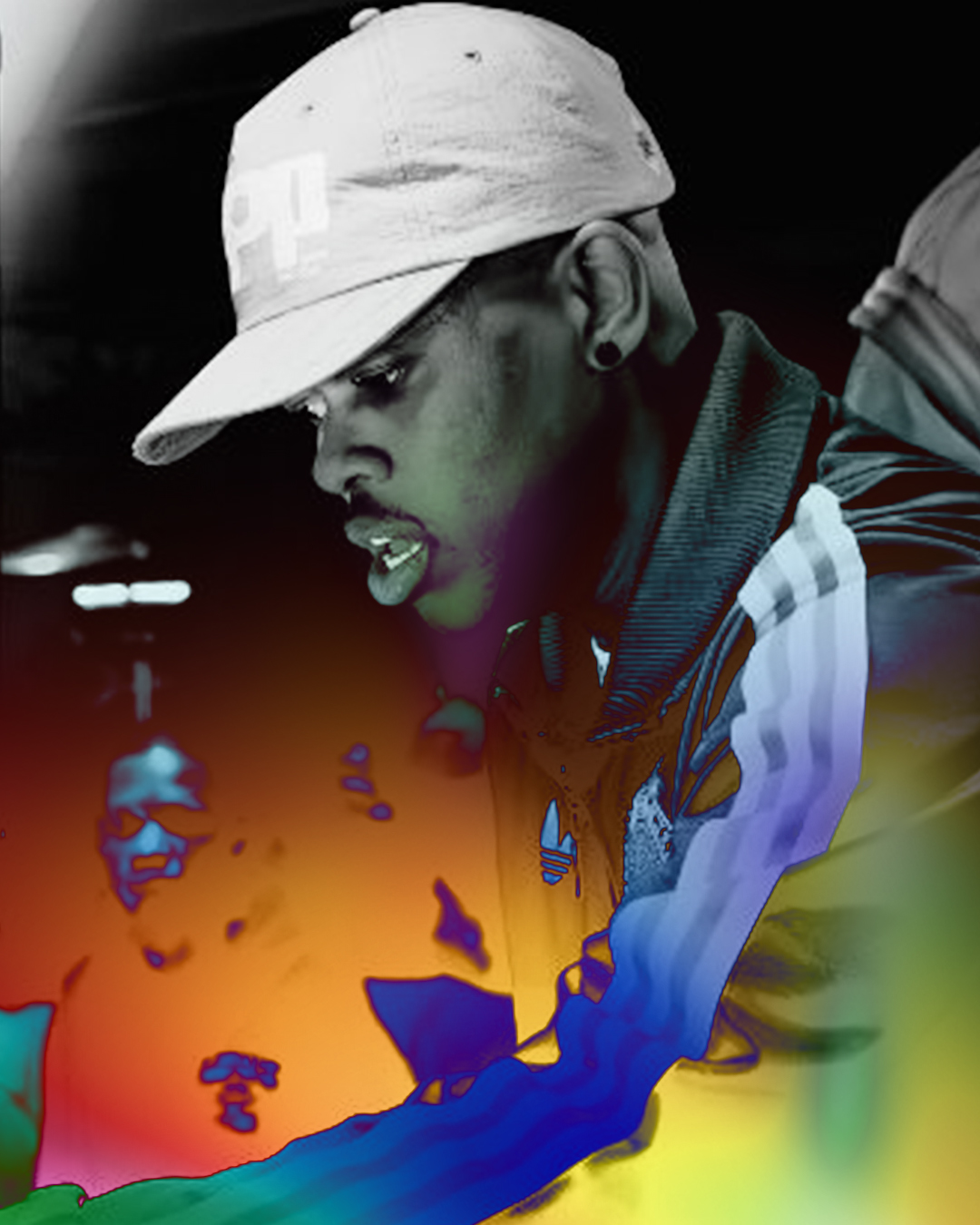
Years on from witnessing Thakzin at work, MÖRDA released an effervescent and sonically audacious album ‘Asante,’ with the viral introductory track ‘Mohigan Sun’, featuring Murumba Pitch and Oscar Mbo, co-produced by Thakzin. Bold creative choices in Nhlonipho’s warming choral contribution in ‘Woza Sambe’ in contrast with Focalistic’s feverish incantations on ‘Saka’ provided surprising texture and balance to an exceedingly indulgent 3-Step sound, for one of 2022’s most memorable 3-Step LPs. Since, he’s released ‘Asante II,’ ‘CR4ZY!!..’, and ‘ASANTE III’, enjoying remixes with crooners Usher, Victony and Maxwell, while joining Black Coffee at his Hï Ibiza summer residency. Whether there will be more with the new Black Motion (where house pioneer ProblemChild Ten83 took MÖRDA’s place after his and Thabo Smol’s parting ways in 2022) is anyone’s guess, but we wait in anticipation, for more music set to add rocket fuel to Afro house’s global growth.
“I decided that I needed to explore some more,” explains MÖRDA. “I just wanted the new MÖRDA to come out because the other version of me in Black Motion was so shy! I spent a lot of time with the young guys, visiting their studios and to be honest… This sound is moving as if it was a new genre to the youth – and the youth run the world – so I asked myself, ‘what was stopping me from joining the wave in my style?’. I see freedom coming through today; I believe this is a great wave that we have in South Africa and Africa, and we can take it to the top if we keep taking the time to put in the correct elements to make quality music together from here on.”
MPHO.WAV
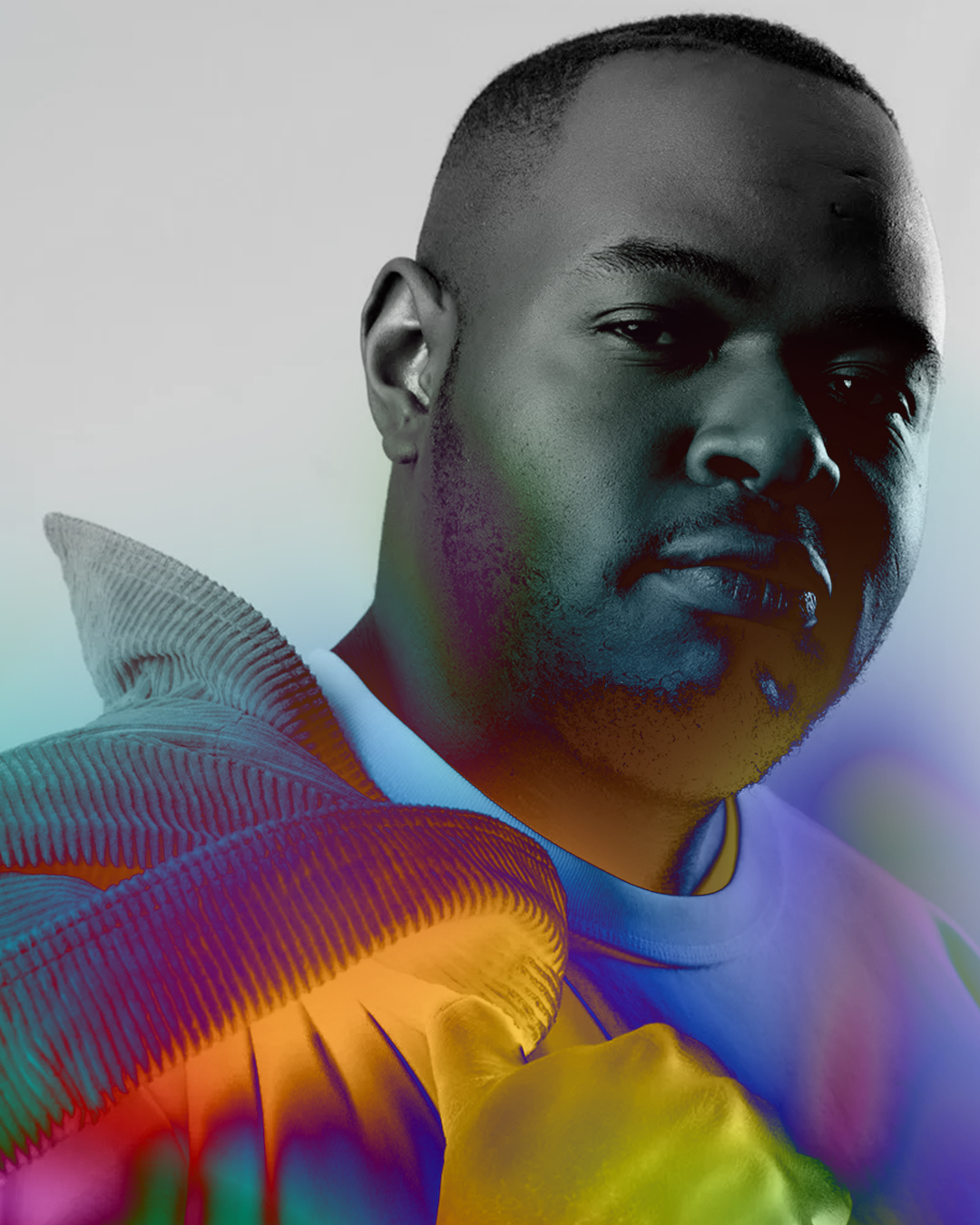
Mpho “Mpho.wav” Mohlong, who was present in the room for Thakzin and Tete’s early creation of the sound, has delivered 3-Step anthems ‘Amakilometer’ and ‘Teka’ alongside house veterans Malumz on Decks. However, Mpho has been known to be somewhat of a savant – never formally trained, but highly skilled, Mpho played the drums and the piano in church, eventually finding his way to becoming a session musician for the very legends he grew up listening to, such as the historic multi-platinum jazz act Stimela, as well as on Ray Phiri’s solo works (known best for his iconic contributions on Paul Simon’s ‘Graceland’), as well as Afro house heavyweights Sun-El Musician, Simmy and Msaki. Precise and imaginative, creating from a lifetime of chameleonic instinct and reflective skill alone, Mpho’s debut album ‘The Book of WAV’ showcases his adeptness, leaning on 3-Step for a stellar LP bringing new life to the Afro house scene.
“I think we’re part of a very important revolution for the music industry as a whole,” says Mpho.wav. “3-Step for me, is a bridge. It’s more than the three kicks, it’s a comfortable space between worlds without losing the textures of either. Having known Thakzin way before the sound became popular, I was exposed to the “Afro funk” idea and I was really interested in that – but with my work, I tried to go for a live approach to it, which you can hear in ‘Teka’. The claps there, I recorded with my own hands – rather than traditionally using packs and things. I wanted something dreamy and danceable, something that would be a hybrid of what I’ve experienced in session music and as a producer participating in the Afro- space. People are listening now more than ever, but change is hard for the human race in general so there will be some friction when new people try our sounds out. But this is the time where we should be experimenting more, releasing more music and the people who have been in the game need to learn some new approaches. It’s supposed to be uncomfortable when other people jump on the sound and we won’t always accept or understand when our culture spreads but we have to stay the course. People used to say that amapiano was never going to thrive. The same thing about gqom. Right now, everyone is listening, so it’s time to create. I’m excited for all of us.”
 Photo: Calvin Maina
SGVO
Not far away, producer/DJ SGVO saw his ‘VO’ album (and the subsequent ‘VO Deluxe’) become some of the most well-crafted 3-Step releases of 2023. Here, SGVO took to 3-Step carrying his signature deep-dub sonics and cast his net wide, enlisting sounds from those who just happened to be in the studio that week – whose frequencies aligned with his in what could only be described as divine timing. The projects are jam-packed with producers running the skill and style gamut from singer-songwriters Babalwa M and Mawhoo, as well as producer Mick Man who all dominate in soulful and “private school” amapiano; deep house must-haves Oscar Mbo and Artwork Sounds joined rank, along with ‘Osama’ hitmaker Kasango, with soulful songwriters Ammo Moses and Jessica LM providing stirring vocals. Kabza De Small makes an appearance on ‘Rekere 3 Step’ to add to the ‘Rekere’ series, as well as contributions from sgija and Afrotech innovators Zan’Ten and Atmos Blaq respectively, summing up a jam-packed project. Even in this buffet of superstars, SGVO manages to maintain his definitive, crisp delivery across the board, revisiting 3-Step in more subtle ways on his latest, and equally enchanting album ‘VO III’ where his deep variations from ‘Thanda Wena’ to ‘Ndiza’ and ‘Stepere’ really shine.
“Creating the album was a huge step out of my comfort zone,” says SGVO. “I’m a hardcore house guy, I’m a dub guy in general. So it was an experiment for me. I wanted to try 3-Step and be more musical with ‘VO’. It really wasn’t something that was planned – I was in the studio, and someone would walk in and be feeling the project, so they just jumped on whenever they felt resonated with them. It was a new journey for me…I don’t usually work with people or vocalists like that – I usually work alone. But being open to whoever was around, no matter the genre… it was a blessing to have it work out like this.”
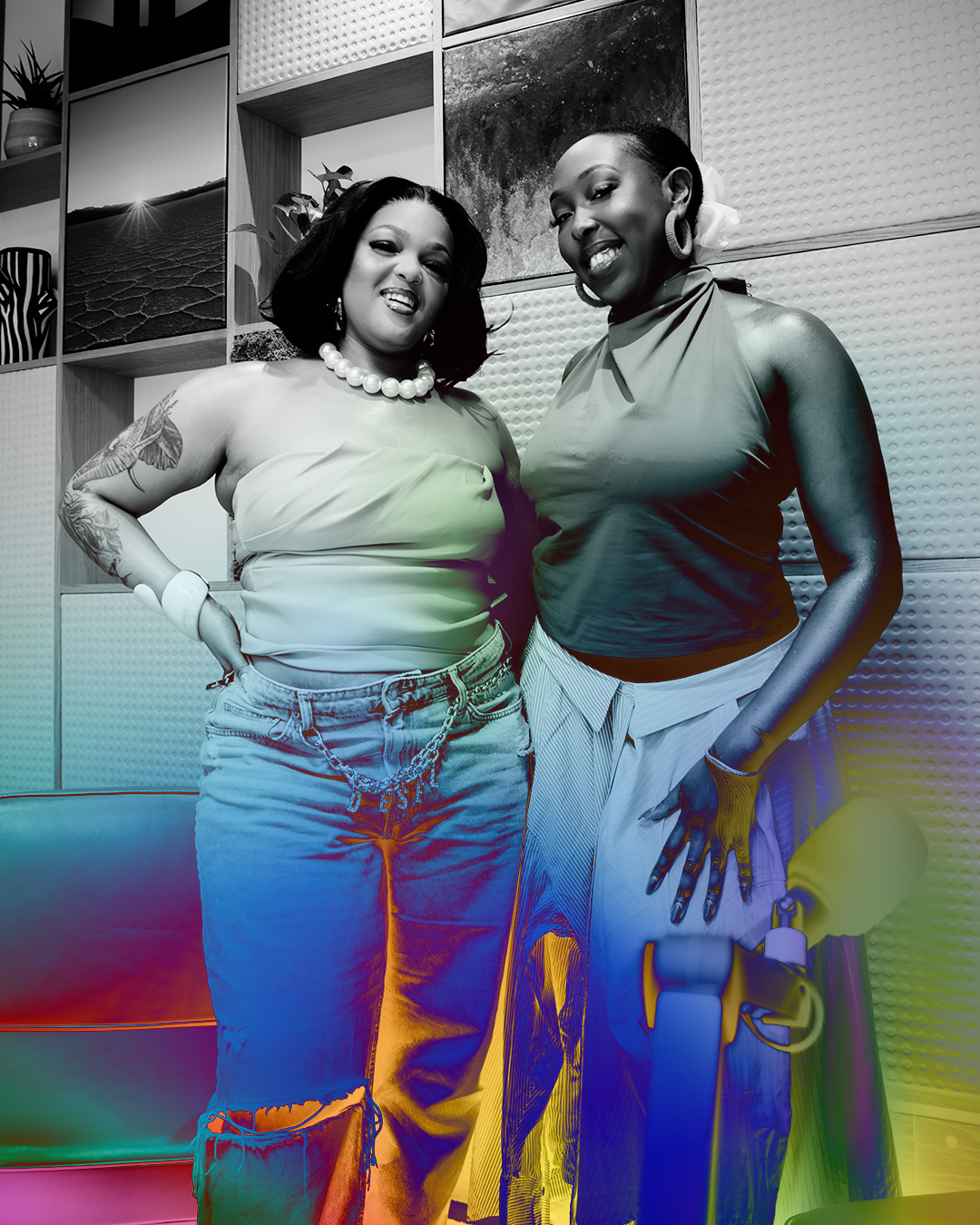 L-r: DBN GOGO & Charisse C
DBN GOGO
The only female polymath to embark on an experimental 3-Step album from South Africa, DBN GOGO has exerted influence in many a scene with many a move. Not only has she sang, produced, composed, and DJed for fans all over the world, but she has built her own record label, ZikodeRecords, and danced her way into flawlessly styled TikTok virality. The seven-track ‘Click Bait’ featured an array of incredible collaborators including Yumbs and Shazmicsoul, as well as nebulous, dreamy sonics with gqom powerhouses Omagoqa and Dee Traits in ‘SKOROKORO’, and as a breath-taking anthem in ‘Ubumnandi’ featuring vocals by ‘iPlan’ crooner Zaba. ‘MALI MALI’ ripped through dancefloors time and again while the rousing ‘Inkunzi’ showcased Sykes’ unbeatable pen. As disruptive and experimental as this album was, it was clear that her upward trajectory on the amapiano road was one that couldn’t be stopped, and we haven’t seen this particular modus from GOGO since. While amapiano’s sonics have become an immeasurable force worldwide with DBN GOGO firmly at the crest of its wave, her album has shown that there’s so much more power in the idea of “we”:
“You know there was a time when a lot of people were patronising others for jumping onto amapiano, riding the wave and it’s like… it’s our music, why would you not get into this thing that we’re all doing?” says DBN GOGO. “I see that our dance and our Afrotech is really becoming a thing globally, so I was like… let me dabble and see how I can interpret it in my own way and see what we make of it. That’s why we named the EP ‘Click Bait;’ because you’re going to tap into it thinking that you’re going to be listening to your regular DBN Gogo… making ‘piano, making you dance. Yes – we’ll have a dance, but we’re giving you a new flavour. We’re showing you the versatility, we’re showing you that South African dance music is here, we’re all here and we’re all working together, we’re collaborating and we’re pushing this music. Doesn’t matter what variation it is… we are pushing our sound.”
JNR SA
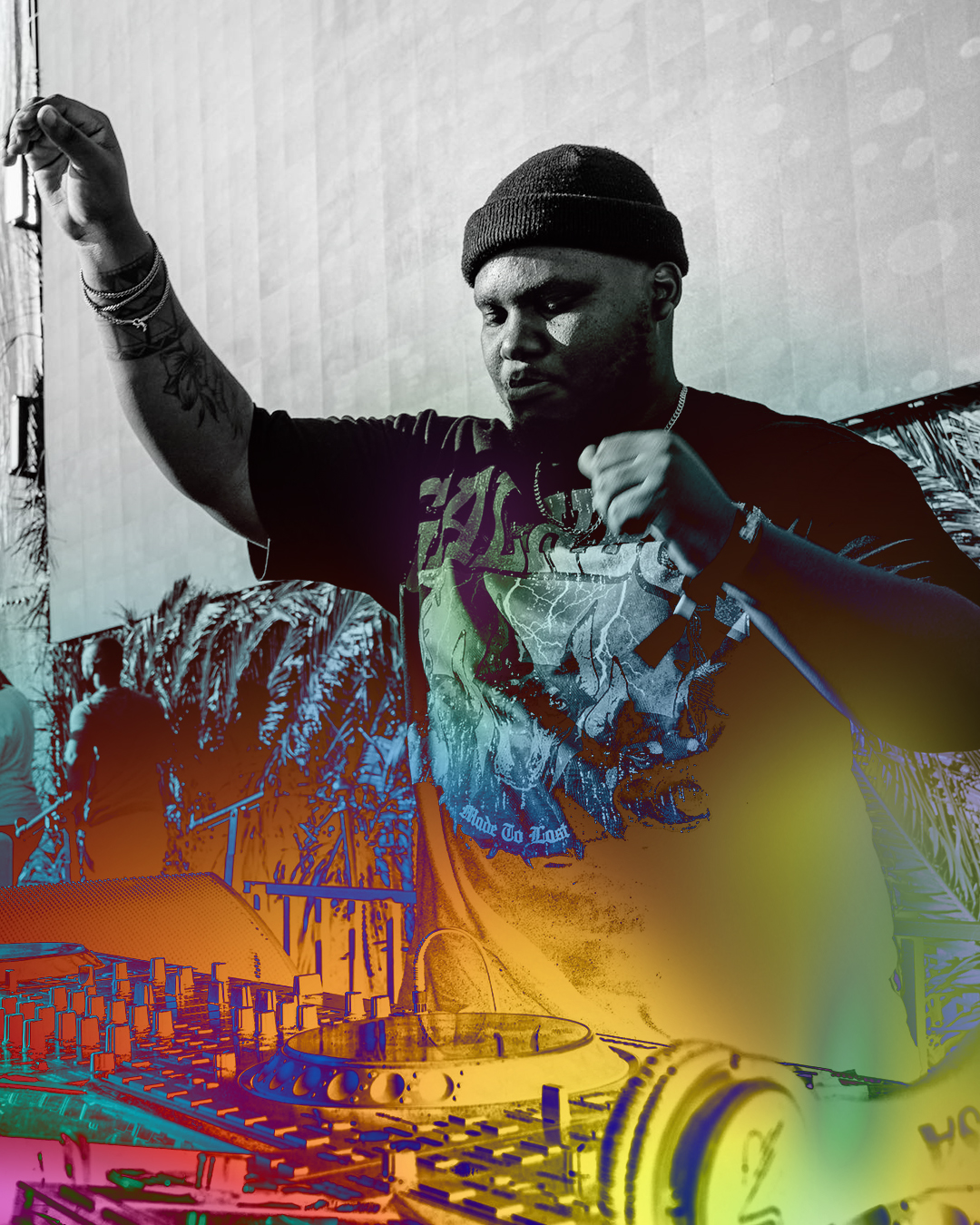
Another producer excited for the future of 3-Step and what it means to Afro house as a whole is Jnr SA. Delving into the scene to remix Kabza De Small and Ami Faku’s ‘Abalele’, Lesego “JNR SA” Nkooe quickly became a firm favourite among lovers of a pure-hearted string of Afro-sounds that burst with drama, energy and emotion within. At first teaming up with Darque to produce the solid genre-blending ‘Areyeng’ with Musa Keys and Leandra Vert, then going on to release ‘D2MA’ (Dance to my Afro) the same year, including a cracking anthem in ‘Sekele’ voiced by Theo Kgosinkwe. 2024 saw Jnr SA soar with his immaculate project ‘Indlela’, featuring Kabza De Small, Mthunzi and Atmos Blaq – with an energy he maintains well from studio to stage. That year’s closing track ‘Dangerous’ with Sun-El Musician and Section Five lives up to its name, taking every dancefloor it’s played on, to the brink.
“This genre means so much to me; I’m able to reach out to the whole world musically. I got to travel internationally for the first time because of it. I became the first to introduce the 3-Step sound at PianoLand in Amsterdam and surprisingly it was received well. For me, it’s a bridge between Afro- and amapiano lovers. Designing and bringing a different club feel to it helped me own my sound in the 3-Step scene. What people everywhere need to understand about 3-Step is that it’s a sound that is yet to make a big international impact – the same way amapiano did – and I wish that they would [have] dedicated events based on 3-Step also, so we can introduce it properly to the masses overseas. I believe 3-Step can be as big as amapiano, but only if we don’t look at it as an underground sound the way Afro house has been seen.”

TEA WHITE
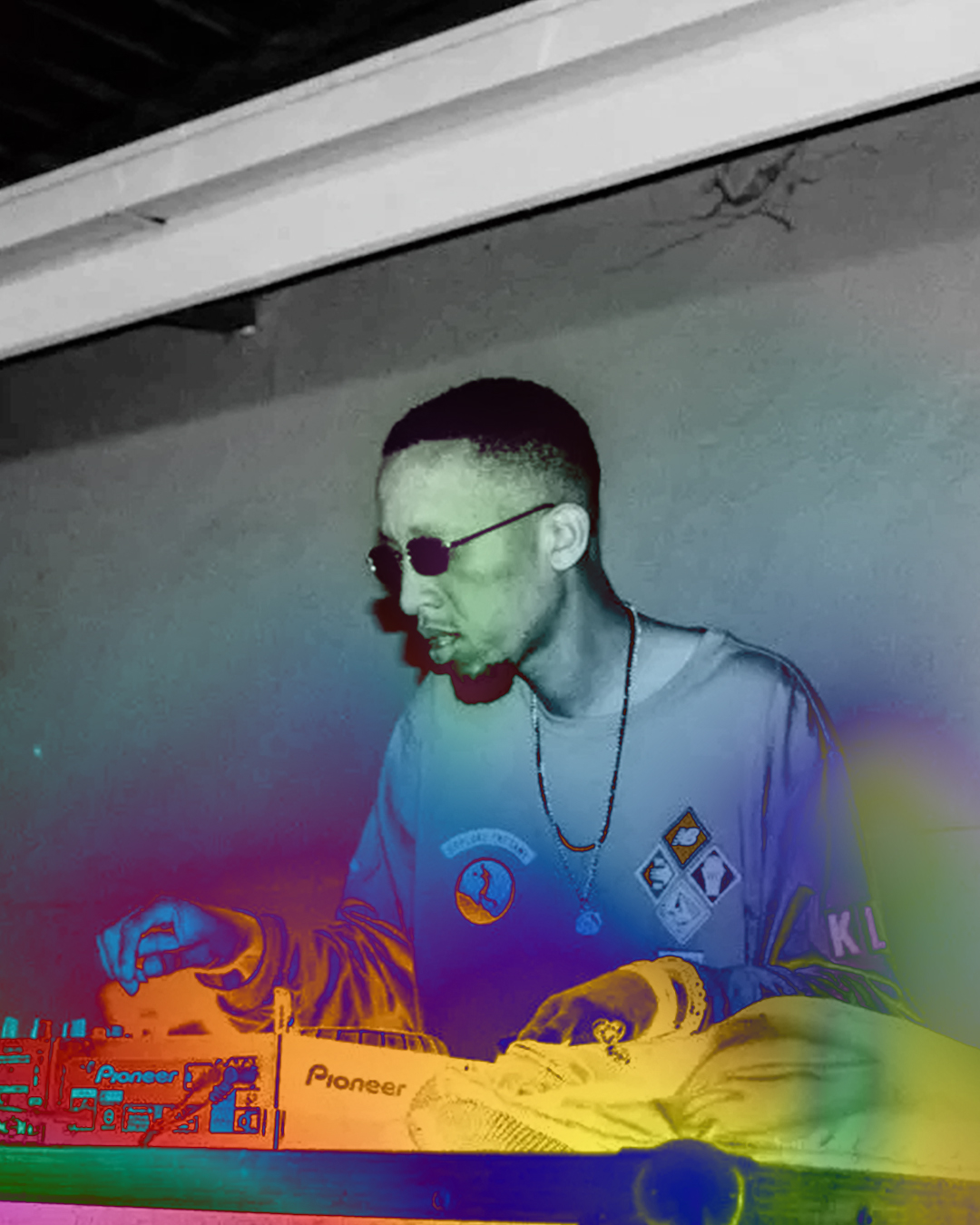
Since before his 2023 debut album ‘Between Planets’, Thabang “Tea White” Nonyane has embraced a more ethereal style of deep house, peppered with lofty sonic elements as a sound designer by day and DJ-engineer by night. Last year saw a major shift in his career’s trajectory with his biggest release yet, in the earthier and more percussively bold 3-Step anthem ‘Amiri Orchids’ – followed by another heavy-hitter in his Candid Beings Records release ‘Nocturnal Animal’, donning a looser, groovier 3-Step atmosphere which very much still embodied his celestial touch. Teaming up later that year with Mozambique producer Freddy Da Stupid saw him really thrive – and in keeping with his head in the clouds and feet firmly on the ground, Tea White has found his creative median in this new sound, with his latest album titled ‘4LTERNVTE’ setting the bar high for 3-Step that flirts with the sonics of deep and Afro house. ‘Earth Over Us’ set the tone for a truly experimental sound, while ‘Reignite’ and ‘Vmahle Orchids’ employ 3-Step’s flirtatious percussion. ‘They Glitched’ buries chants beneath a slow-burning peat fire for a meditative 3-Step gem. He’s since enjoyed a much wider audience who seem to easily gravitate toward this undeniable sense of self-assurance in his unprecedented approach to the sound.
“Five years back, I wasn’t confident in my music,” says Tea White. “I sounded nothing like other producers, so I knew it would be difficult. My sound is very unorthodox… I’m a sound designer too, so I like to challenge myself and work outside of my comfort zone. Before ‘Amiri Orchids’ I asked myself if people would even like this sound from me. My biggest fear was that people wouldn’t accept me. But I knew it had to happen, because I’m changing. I realised I could create my own audience. From then to now, ‘Sunday Service’ with Freddy [Da Stupid] was the highlight of last year. It was my first international collaboration ever. There’s cultural diversity in it, and it represents both of us. It represents him, it represents me, and all the sounds in it complement each other. If we can work together, we can bring unity everywhere. It’s a powerful thing. I’m looking forward to working with my brother Freddy in the future, he’s one of the “tribal” producers that inspired me since he’s been in the game and consistent throughout. It’s refreshing, so we should keep spreading the word through the sounds that we bring. I’m proud of us, myself and where I am, and I’m confident in my music now. I know I can push the envelope. So my advice would be to just let it happen. Be confident, because confidence can take you far. The pie is big enough for everyone.”
FREDDY DA STUPID
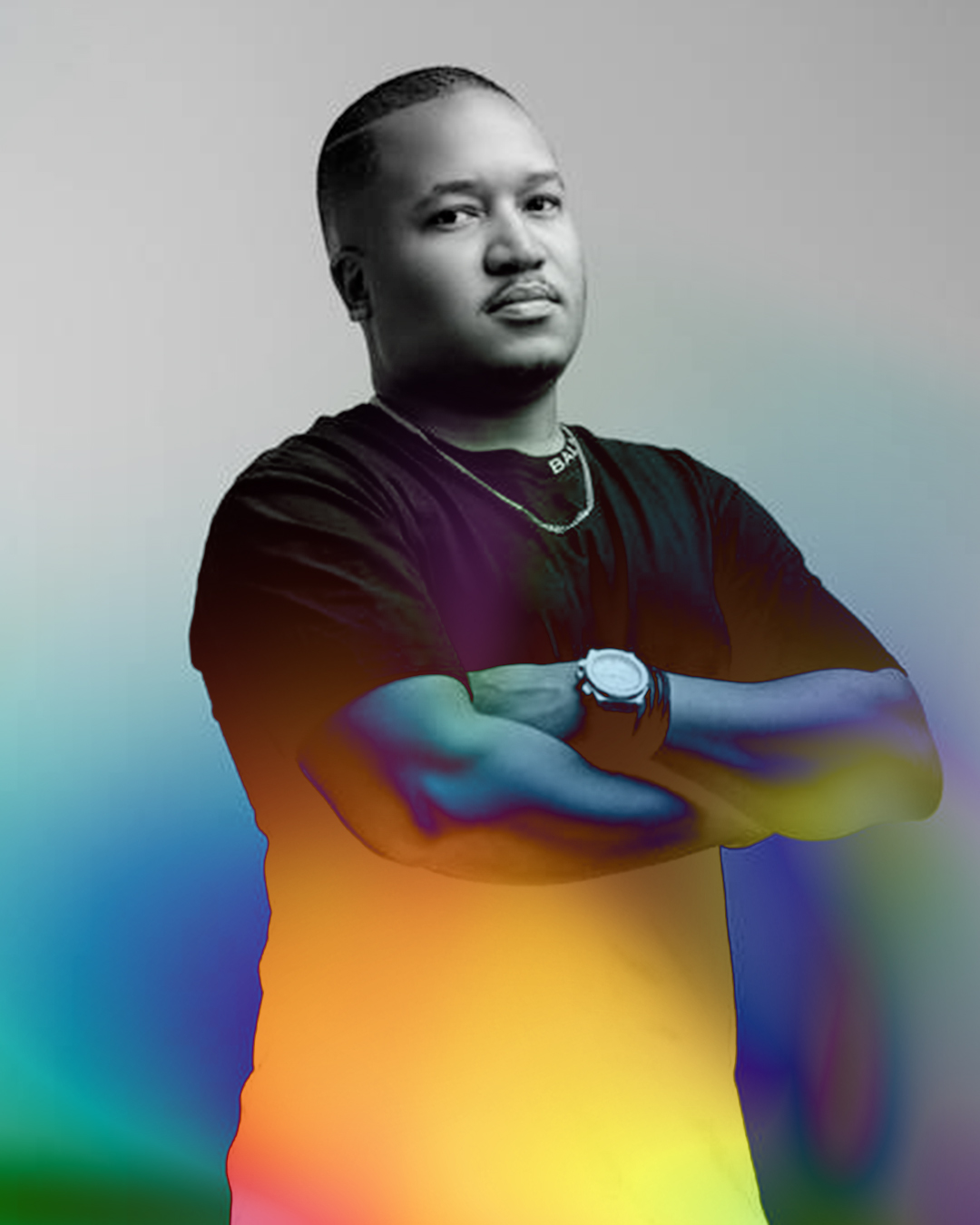
Mozambique’s foremost Afro house DJ-producer, Freddy Michael Julio Buque is heralded as a pioneer for his scene amongst the likes of Bhoddi Satva and Osunlade, who cracked open the doors that led to its current international appeal. Just like Thakzin, his roots fall across the Mozambique-South Africa border in the Shangaan community. His 2024 project ‘Back to Pangea – Part II’ is a twinkling EP reverberating from the original track on his 2023 ‘Bantu Origins’ album, now sporting the 3-Step groove. His entire catalogue is peppered with effusive, Africa-proud creative choices and collaborations, drawing from cultures across the continent showing incredible range. This year, he shared a state with Brazilian superstar Mochakk’s Mixmag Lab debut in Mozambique’s capital of Maputo, after tapping British-Ghanaian producer DJ Kwamzy for an invigorating 3-Step staple in ‘Maktu’, while teaming up with Yaba Buluku Boys’ hitmaker DJ Tarico for a 3-Step long play that aims to bring Mozambique’s unique flavours and instruments to the fore.
“I believe Afro house is a spiritual thing, and when I released ‘Bantu Origins’ I tried to connect all of my feelings and my roots amongst the African rhythms from surrounding countries that we share, here in Mozambique. 3-Step is becoming very big and it’s a promising time for us. What I see now is that there are some people who are making Afro house that caters to white people. No offense to white people, but there’s no colour, there’s nothing ethnic to Africa… It sounds a lot like they’re taking Latin or Caribbean influence from melodic house and they call it Afro house. What we need to do now that 3-Step is here, is to connect more with each other, and show that this is an African genre that we cannot be removed from. Our vocals, our drums, our spirit are what make it what it is and we are all connected. The responsibility of South Africa now is to be the main stage for selling the idea of Afro house and for us to help make it richer together. This is the way, this is the future, and we are here to work on that and make it happen.”
THEOLOGY HD
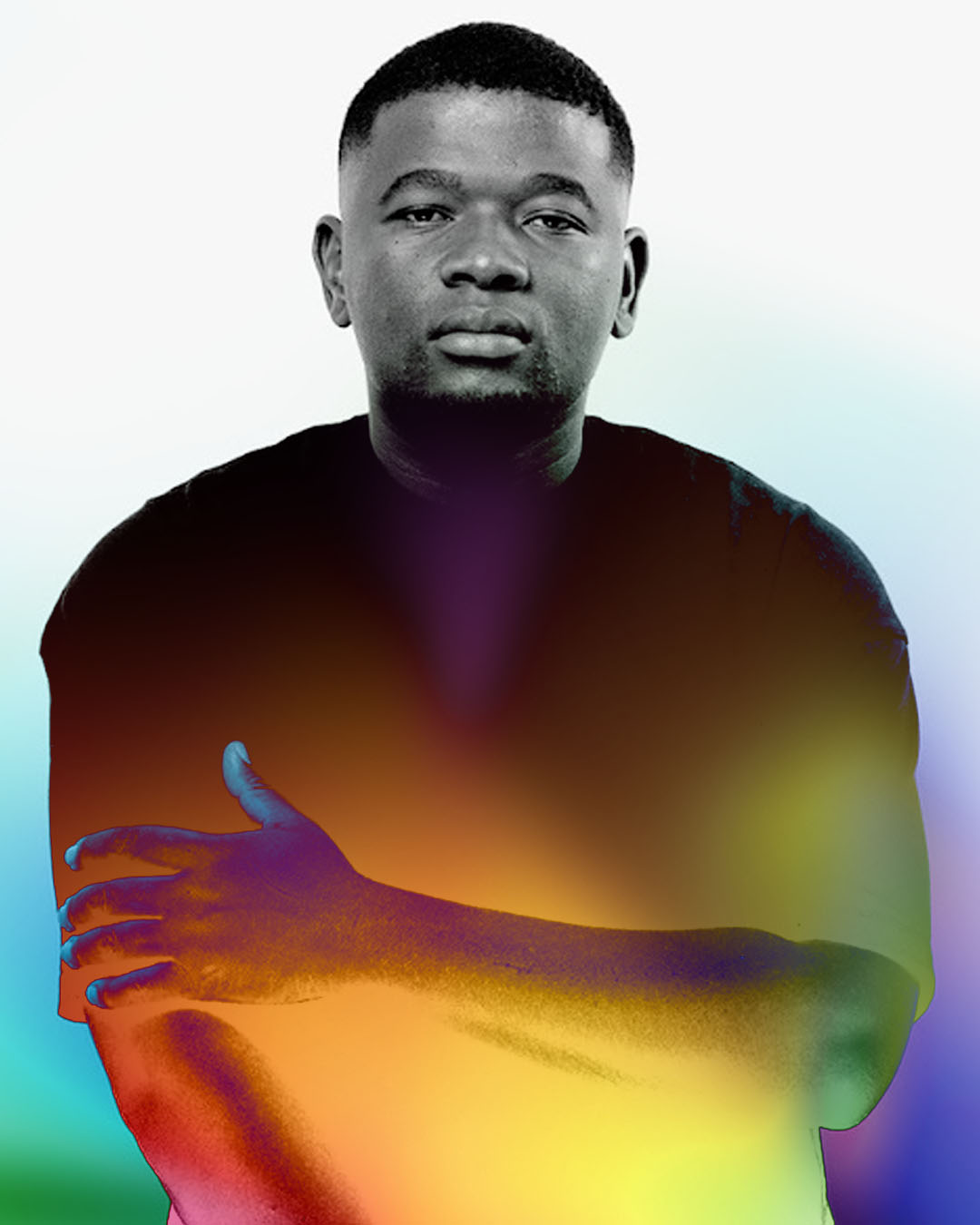
Theo Bukwane Mathebula, known as Theology HD, fell in love with music at a young age. After enrolling at the Soul Candi Institution of Music to enhance his musical education, he released a song in 2022 titled ‘Mama’s Love’ which gifted him a viral moment on TikTok. Collabing with acts such as Rosey Gold, Moonchild Sanelly, Josiah De Disciple, Aymos, Jidenna, and many more saw Theology go on to create the ‘Affection’ album with stellar tracks in ‘uMthetho’ and ‘Thata’, voiced by TO Starquality, a multi-instrumentalist responsible for distinct vocals and strings on Mas Musiq and Aymos’ biggest hits. He cracks on with the 3-Step sounds in ‘Efignei’, ‘Mama’ and ‘Kanti Kwenzakalani’ which at first play seem to all sport the same beat structure – however show entirely different treatments in melody, instrumentation and vocals, illustrating the blank canvas 3-Step offers to any producer looking to broaden their sound. Just like Tea White, Theo believes that 3-Step’s ethos could see artists creatively, spiritually and literally fed.
“For me, 3-Step is not just a new genre but a vibrant crossover movement in music. This genre empowers artists to blend various musical styles, creating rich new narratives through their compositions. For 3-Step or African music in general, my feelings, hopes, and dreams are rooted in celebrating diversity and authenticity. I envision these genres continuing to evolve, embracing new sounds while staying true to their cultural roots… I encourage all aspiring artists listening to this to remember that there’s room for you. Play your music, introduce your unique sound, and claim your slice of the cake.”

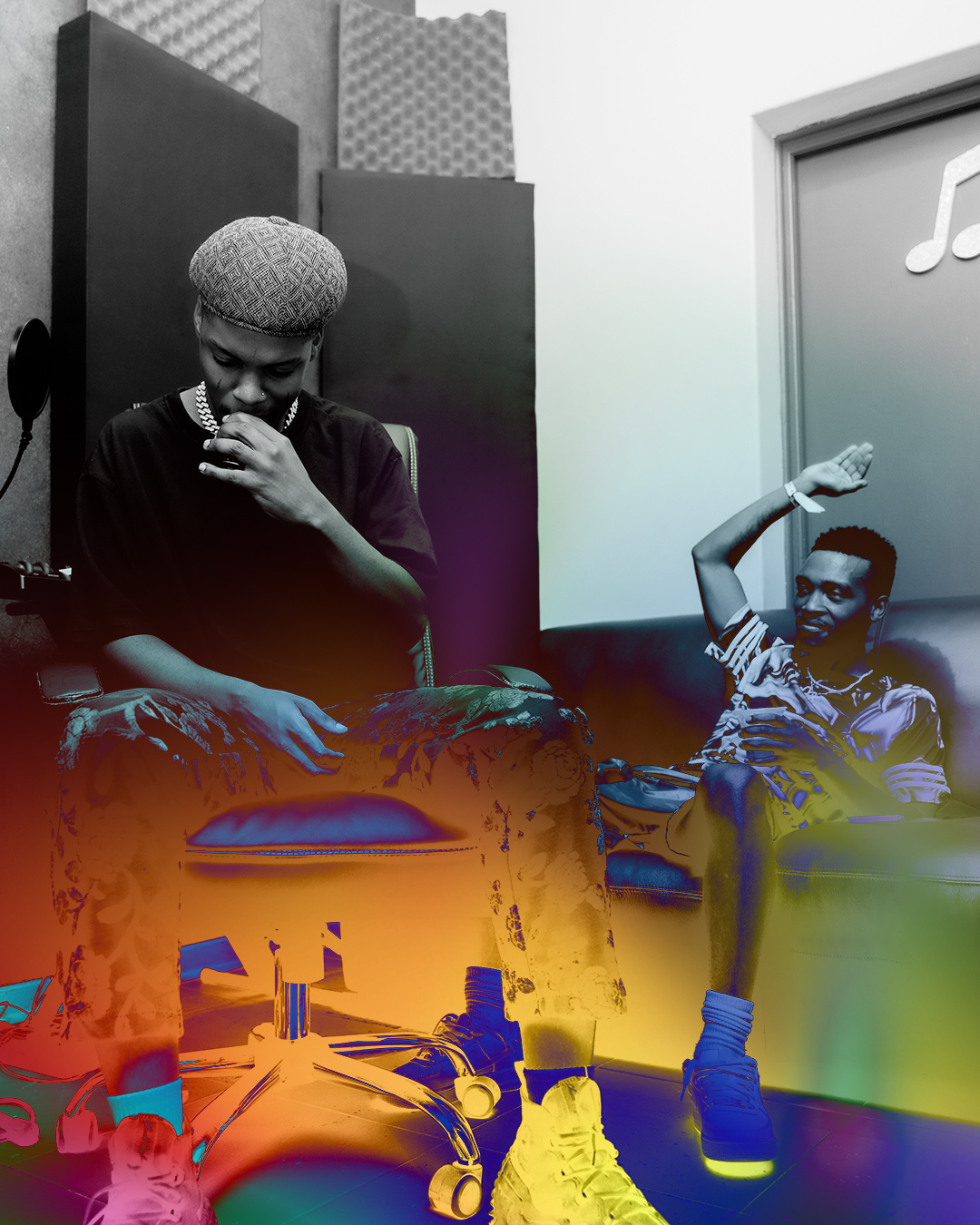 L-r: Sykes & DJ Lag
SYKES
Encamped with the Emazulwini Records crew, Sykes is experiencing a reception vocalists in house can only dream of. Writing the multi-million streaming song of the year for 2023 ‘iPlan’ (produced by Dlala Thukzin) cast a new light on him, solidifying his place as one of the most in-demand artists in the Afro-world to date as he flits between genres, effortlessly embracing each note with his deeply moving self-assurance. Not only is he a skilled vocalist and songwriter, but he plays djembe drums, marimbas, the pennywhistle, piano, flute and the guitar, bringing distinct Maskhandi (folk Zulu music) influences to the fore in a gqom-steeped tsunami since his first offering ‘Most Wanted’. His latest 3-Step features come in the legendary gqom veteran DJ Tira’s ‘Khuphuka’ and Dlala Thukzin’s ‘Finally Famous Too’, after singles with Zimbabwean star ShaSha, private school hero Kelvin Momo, and an infectious release with powerhouse T-Man SA in ‘Giya’. This summer, he returned to the spotlight with serial hitmaker Zee Nxumalo with 3-Step banger ‘Mamma’.
“3-Step has given me a breakthrough. ‘iPlan’ and ‘iMoto’ were the songs that let me make something that’s never really been there before. I write with a very Maskhandi-based rhythm, and the Maskhandi feel goes very well, surprisingly, with 3-Step – so it’s easy to lace it on these beats that we make. I think a space is being created for our vernacular languages. There is no doubt that we have been listening to songs with English lyrics for a long while and I feel like people outside our country want something new. It’s always so amazing to see songs like ‘Ulele’ and ‘iPlan’ become hits with lyrics about stuff that happens in real life; stuff that anyone can relate to – not just stuff about flashy cars and flashy watches. It’s always beautiful to see authentic messages becoming hits because that’s what we live for. That’s the truth of our lives.”
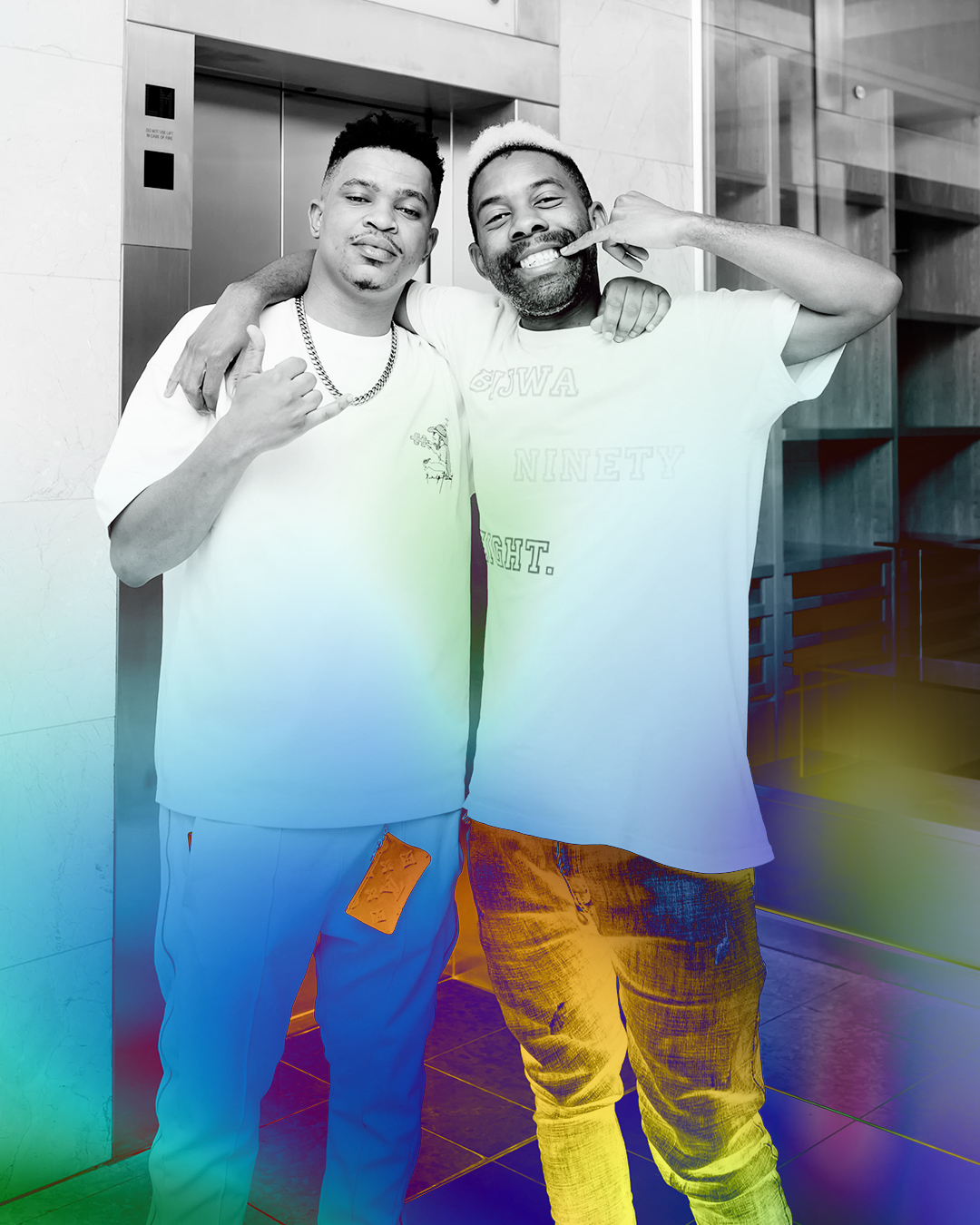 L-r: Kyotic & King P
KING P & KYOTIC
Another duo whose 3-Step is awash with gqom-tastic leanings are King P and Kyotic. Phontso “King P” Brunswick Jnr from Soweto started out in deep house after high school, moving on to gqom, hip hop and then amapiano in 2019. Johannesburg-hailing Arnold “Kyotic” Mdluli went on to study music production under King P’s wing, whose collaborative release ‘Jakalas’ went viral on TikTok throughout 2023. When these two come together, the music takes on a dynamism that has shaken up the 3-Step scene since. In last year’s EP titled ‘Kyotic City’, the two gifted musicians lean into their collective experiences for a goose-pimple-inducing project. Their first single to set their intention, ‘Shona Phansi’ smacks of the simple yet effective ghostly shufflings that gqom consistently provides, however ‘Drunk Love’ and ‘Sometimes’ exploit the infectious nature and enchanting vocals of a gqom-flavoured frenzy.
“I’m not the kind of person who likes to stick to one musical identity. Music is vast. What about those other parts of you that you want to express? That’s what music is for! All music.” says Kyotic. ”It used to be that if you didn’t play ‘piano, people wouldn’t come to your show. But now you can play ‘piano, Afro house and ‘tech and 3-Step all the same night, and the same people who go to all of those different shows will come to the one show and stay for all the sets. The same energy you find at a gqom show, you find at a 3 Step show. Same with ‘piano, same with Afro. You no longer have to choose.”
“The end goal is to be a musician.” says King P. ”It shouldn’t be about limiting yourself and putting boundaries around what you do for the sake of brand identity. For me, I want to gain experience everywhere; so I’m not afraid to try what’s popular, or what’s not, or how sounds are moving, or how I want to move… and no one else should be afraid either. Welcome to the bandwagon. It’s a fun place to be.”
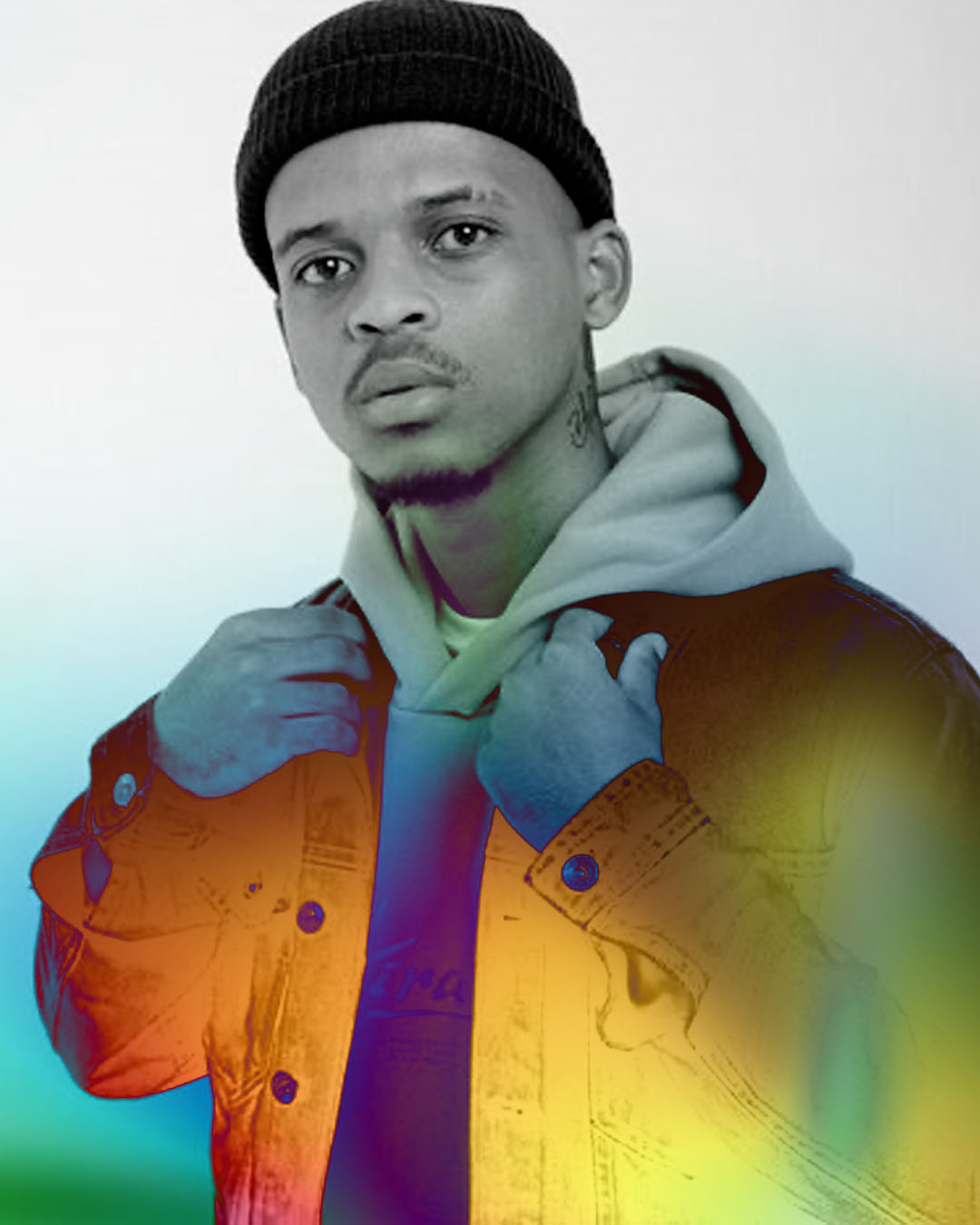
BLAQRHYTHM
While most 3-Step artists come from Gauteng, over in Durban, Mbuso Zindela, AKA BlaQRhythm, wields a coastal depth of sound that can only come from a gqom-tinged hometown. A man of few words, this brooding producer has steered many creative offerings that he attributes to an ancestral energy. BlaQRhythm sees the continent as one that is rich in sonics to tinker with, and on tracks like ‘iSgila Mkhuba’, with Sykes, Sillz and TNS; ‘Amadolo’ with Zakes Bantwini and Drega; and ‘Umuthi (The Cure)’ with Elo Mude he enlists a hypnotic Pan-African production style that is profoundly percussive – and dangerously entrancing if his songs catch you at the right level of intoxicated on a darkened dancefloor.
“When you hear 3-Step from KZN [KwaZulu-Natal province] and 3-Step from Gauteng you can hear how different it is,” says BlaQRhythm. “That’s what makes the music so special. For every place there’s a sound that comes with it, and as Africans we always feel it the same between us. I use a lot of chants in my 3-Step, not just isiZulu chants from South Africa but I also like to use sounds like what people used to call ‘tribal.’ I watch a lot of Kenyan and Malawian movies to look for inspiration for songs, and use those to make samples that I put into my music.”

PHODII
Ambitious Beatportal curator and DJ/producer Phodiso “PHODII” Raboroko has been charging up audiences for a while, but with 3-Step’s growth, he’s put forth a string of releases that lean into 3-Step’s majesty. With one foot on the creative end and another on the DSP curation end, he’s noticed 3-Step’s growth from a unique perspective, and after scoping out events across the world including Afro Nation’s boat parties, as well as heaps of data, he realised early on how Afro- genres have completely obliterated others in-demand in spaces that could instantly set the upward trajectory of a genre, globally. With this knowledge, he’s optimistic for 3-Step’s future… and keen to add his own flavour to the mix.
“The idea of fusing sounds has always been around I suppose, but when 3-Step came along with Thakzin’s ‘The Maginificent Dance’ it kinda proved that this idea is really possible. Shout outs to him for taking initiative to be honest, because I do know there were quite a few fusions out there, but they’re chilling on people’s hard drives and laptops! There’s a fear of being accepted, a fear of being called out as diluting the sound, or your brand or who you are… which I believe is unfair to artists in general. Without the freedom to evolve, what are we even doing here? People have been afraid of not being accepted, and now that 3-Step is a thing, people are finally releasing those tracks with their chests. It’s fair to say that amapiano and Afrotech blends have been there in subgenres like sgija on the amapiano side, but I feel that now, Afro house has its own version… and it just bangs more! It’s not just a moment. Something bigger is at stake here.”
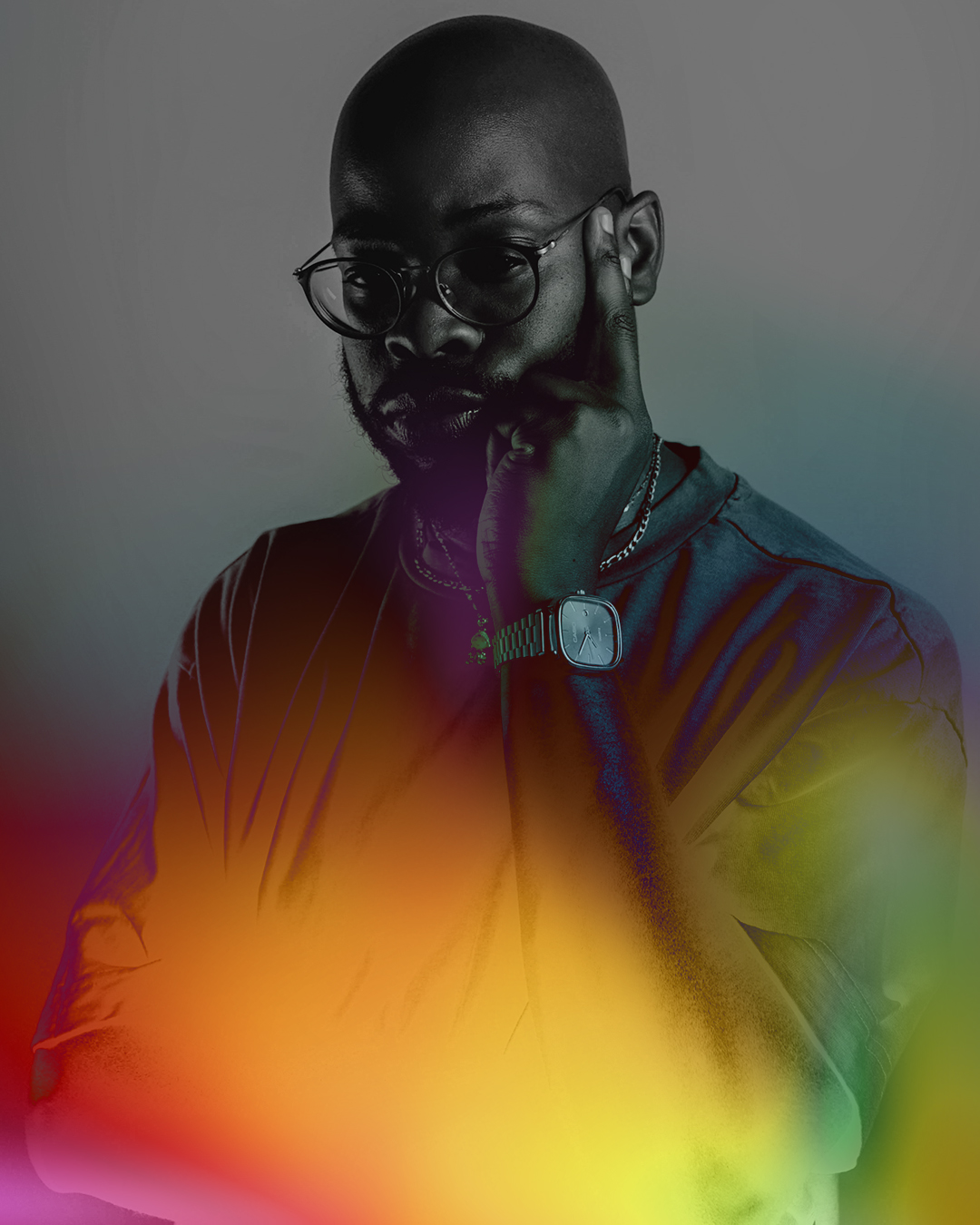
DREAS
Andreas Nambambi has been running his own events across Namibia and South Africa as one of the foremost music movers to come from the Namibian capital of Windhoek. His first 3-Step release of 2024, ‘The Serengeti’ from the ‘A Place In Between Time’ EP, allowed him to continue his streak as one of the most in-demand from the Southern region at large scale festivals such as Rocking the Daisies and Homecoming, while in the same breath, his own Amis Day Club has provided a solid community of Afro house lovers a soft place to land and plenty of South African acts a new home outside South Africa. Even as a self-proclaimed purist, Dreas started 2025 establishing his label, Medley Sound (a Sony subsidiary) unable to resist releasing another 3-Step anthem titled ‘Common Degu’ featuring heavyweight singer-songwriter Gazza – winner of “Artist of the Decade” at the Namibian Annual Music Awards. This comes as a milestone for the scene, while regions like Namibia continue to coax Afro house into the mainstream, and possibly into the hearts of producers like himself who consider 3-Step a ”safety net” among DJs looking to retain the audiences they’ve spent so long assembling.
“I love 3-Step. I feel like it has so much potential, and it reminds of what Afro house was back in the day, you know how Black Motion and Afrikan Roots did it – and still do it. The percussion is fresh, it’s orchestral, and it reminds me of the time I fell in love with house music as well. It’s a guilty pleasure though. I know as a purist, if I play an Atmos Blaq or a Thakzin joint, 90% of the people in the room will go crazy. So it’s a saving sound for some people. I feel like without the challenge of winning people over with something that isn’t so popular, it feels like I’m doing something wrong but at the same time… I really love the sound. I think 3-Step allows space for DJs who want to be in spaces they traditionally haven’t been allowed to exist in, to just be. It gives people the energy to dance but also be wowed by the production. However, I also think that Africa likes what it likes and amapiano is still the most prevalent across Africa, so to convince people to listen to Afro house repeatedly can be a daunting task. But you can win with a genre like 3-Step that embraces both, and flavours up the pot.”

The African “senses of self” and “senses of place” in the world are interesting ideas to unpack. In the UK, 3-Step continues to inspire as Charisse C and Kwamzy, descended from Ghana and Zimbabwe, become the first to create a full-length 3-Step project in the diaspora. For many artists with one foot in the abroad, and another on the African continent, their ability to represent these sounds has been called into question, along with many other artists often being advised to hide their non-South African roots in order to maintain a sense of allegiance and patriotism, so as not to lose their fan bases. In the same breath, for these two artists lauded for championing amapiano culture in the UK, coming back to the continent sees them being pressured by local artists and their teams to be the ones who will help them “make it” abroad – to the point where both considered leaving the genre altogether to escape a creatively stifling machine that brings them equal parts commercial success and creative suppression.
CHARISSE C
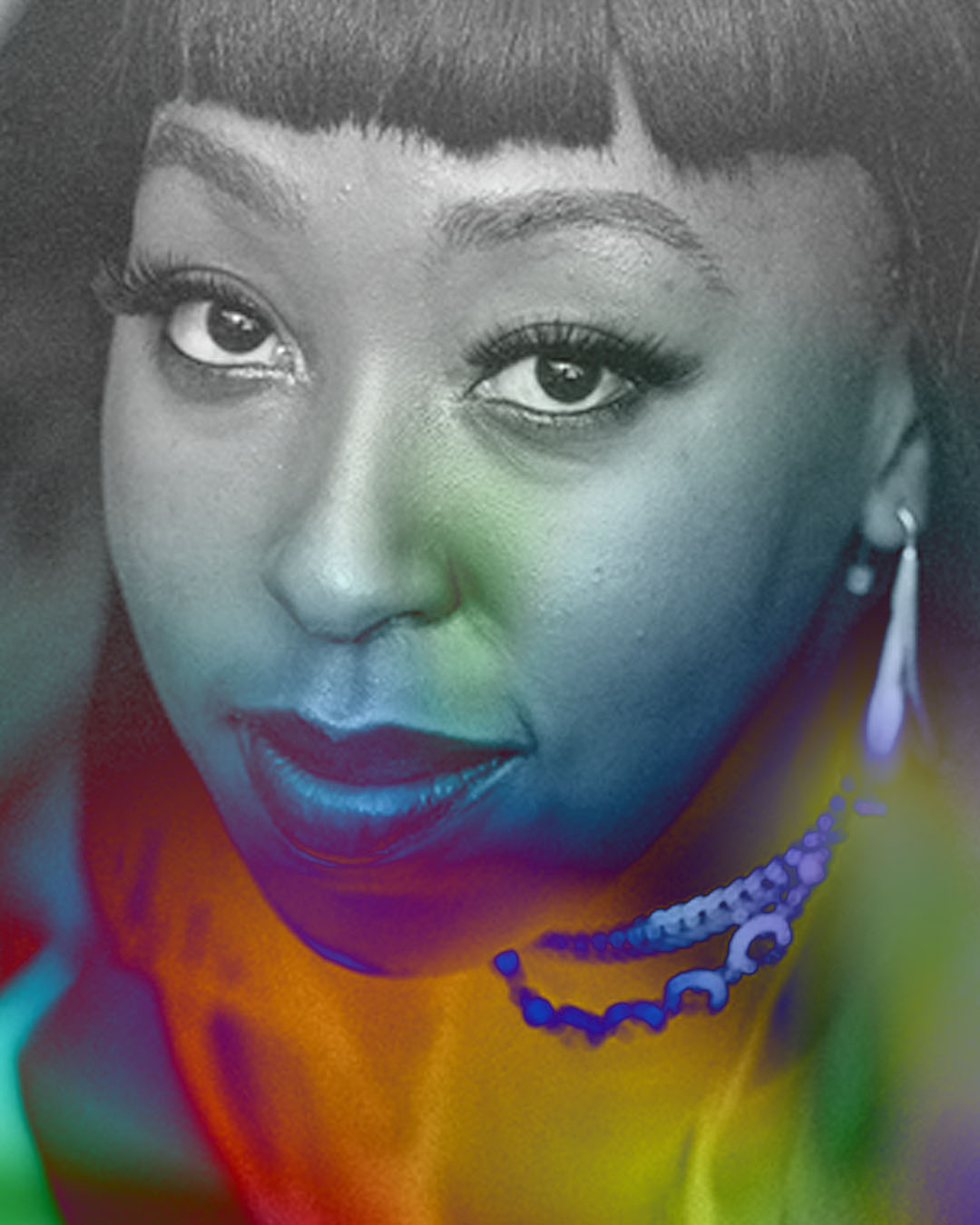
Known as the “UK amapiano queen”, but proving to be capable of so much more, UK-based, Zimbabwe-rooted Charisse “Charisse C” Chikwiri approaches African electronic music with insight and poise. In Charisse’s mind, the idea of “Africa to the world” is unrealistic. Africa IS the world, and the idea of “belonging” is one that moves with her wherever, and whenever she finds herself. To simultaneously be one thing, and many things, and accepting of how that makes her different, is essential to her success – but this journey has been a long one that not many have been willing to undertake or accept.
“What some don’t understand is that the UK hasn’t always had spaces that accommodate Afro house and amapiano. We had “nights” where maybe once a month you’d have a theme and be able to play there. So it’s been a fairly new development that these are more frequent now, ” says Charisse C. ”Growing up in the UK, moving around as a Black person can make you feel like you constantly want to reach for a sense of home. African home. But you’ll always come up short. I’m a different person in the UK, and a different person when I’m in Zim, and a different person when I’m in SA. That doesn’t mean I’m fake, that just means I adapt to my surroundings. I’ve decided that I’m done fighting these parts of me, and 3-Step has come as a breath of fresh air. Everyone that’s making it are the divergents. When I see Thakzin talk about creating this bridge and how he’s taking his time and being selective about where he performs, it makes one think. Amapiano has become so saturated now, that a few brands or artists have a monopoly on the entire scene, and everything happens so quickly, with a stifling ‘cash cow’ energy. Even in the Afrotech space, it’s consistent, yes, but very puristic over there – and it’s a very hard space to enter. So looking at the new generation saying ‘ok, we respect the history of house music and where it’s taken us, but we also love amapiano and how it’s changing lives. Let’s bring these things together and meet in the middle.’ From the moment you decide that’s where you want to create from, automatically there’s a sense of freedom.”
As much as the genre has stemmed from South Africa, this country and its sounds would not be what it is without the contributions of the rest of the continent, both politically and creatively. 3-Step asks that we set all turbulence aside for major moves to be made in the future for Africa’s musical behemoths, with a continent-wide landscape ripe with game-changing musical gifts to draw from. While Afro house has been experiencing stagnation that can only be broken with research and reverence for Afro house’s founding philosophies and instrumentation, there are plenty of artists at home and abroad looking to revisit Africa’s indigenous sounds and take up the challenge of familiarising themselves with the continent’s people. Coming from a people that have a proven ability to thrive almost anywhere, it’s no surprise that the music has spread far enough to call those of us who were scattered far, back home.
KWAMZY
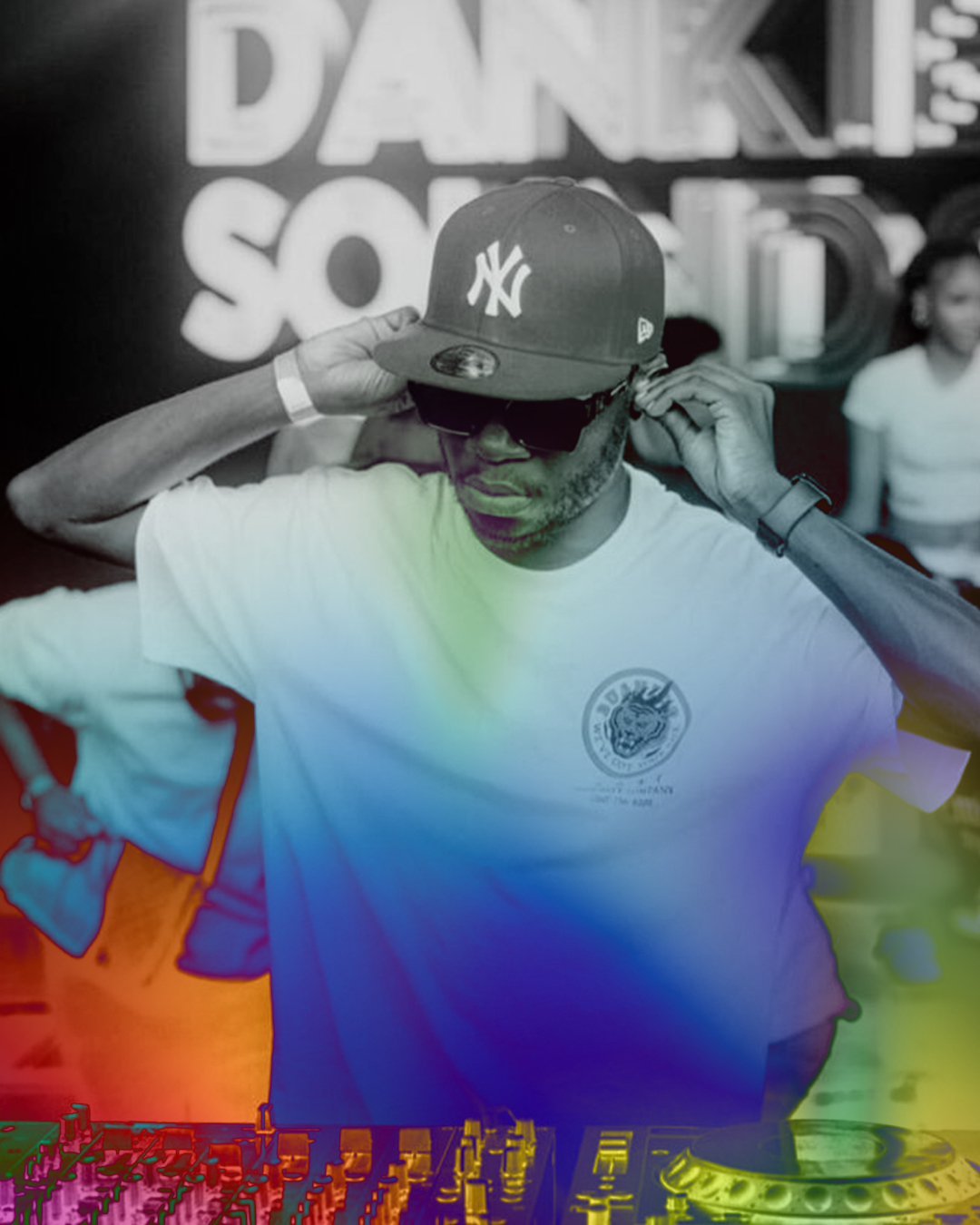
Shortened from Kwadwo Badu, British-Ghanaian DJ and producer Kwamzy needs no introduction. When that very intentional “let’s go” producer tag hits before the break, it’s impossible to deny what time it is. Kwamzy is fearless in his tinkering which led him to South Africa to produce his latest streak of club heaters. Co-producing Charisse C’s gorgeous 3-Step debut in ‘Evergreen’ as well as a chock-full Bandcamp page dedicated to 3-Step edits drawing from all sorts of genres, his releases include seeing him studying 3-Step acutely in ‘F Them Up’, while creating a refreshing take between him and JoeTheShow on their ‘TwoForOne’ EP, which sports a roll-off-the-tongue Bantu language called chiShona most prevalent in Zimbabwe, Mozambique and Botswana. This year he returns to South Africa to release yet more 3-Step with Phodii and amapiano singer-songwriter Makhanj.
“It’s been very exciting for me. Once upon a time I was watching videos to learn how to DJ, I listened to a lot of South African house music, and I watched a lot of videos learning how to DJ when I was just 12 years old, not knowing that… Fast forward to 2023, over 10 years later, I’m actually in South Africa, making South African friends, learning about South African culture, and playing South African house. It’s such an honour for me. I think Afro house is really moving, especially in spaces we never thought it would enter. My role today is to make sure that I try as much as possible to feature vocalists from South Africa so that the bridge 3-Step has built can remain solid. Working with folks like Brenden Praise has shown me how that part of unity is important, and documenting where the sound comes from is important; we have to go to the source and let that legacy shine as we step into the sound and incorporate it into our own.”
TONY DUARDO
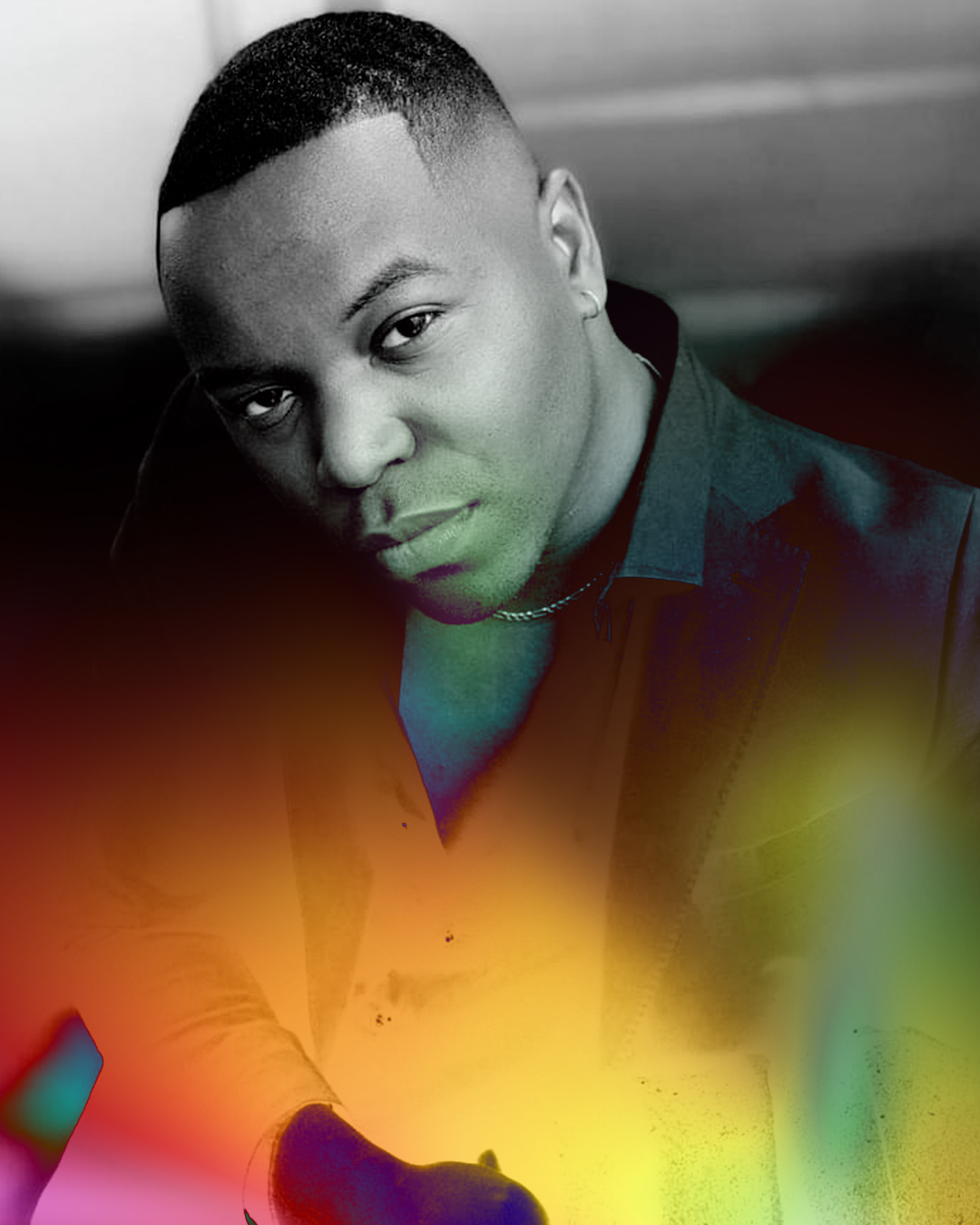
Set to release his own 3-Step project, titled ‘3 Step King,’ Tony Duardo’s story is another perfect example of modern African identity – multifaceted, competitive, driven, creative and self-determined. Born Antonio David Eduardo Hampton, based in Johannesburg, rooted all over, Tony built his South African foundation rubbing shoulders behind the scenes with kwaito’s biggest stars and amapiano’s most creative minds – from Mafikizolo to DJ Maphorisa. Coming up as a ghost-producer, he earned his way into important rooms to harness his skill as a vocalist, composer, producer, multi-instrumentalist and DJ. Travelling from Ghana to Nigeria and Egypt, he built up a solid foundation of musical knowledge by the time he was in his mid-twenties. His influence eventually saw co-producers Uncle Waffles and TxC climb the charts with his multi-million streaming ‘Tanzania’, ‘Yahyuppiah’ and “‘Turn off the Lights’ respectively. He’s also joined the powerful LVRN crew to reimagine himself as an artist in his own right, free from constraint, beginning with producer credits on Tyla’s Deluxe album with ‘Shake Ah’. His 3-Step album, yet to be released, is a uniquely heady and deep sgija-flavoured take on the sound, constructed by Tony in every way, from ideation to vocals, composition, instrumentation all the way down to every finishing touch.
“My father was a mixed Angolan and Congolese guy. My mother was a South African (coloured), Ethiopian, mixed lady, so there was a lot of travelling as a kid; that’s how South Africa became my ultimate home. As a youngster we moved a lot, firstly from the DRC with the war, and we made our way to South Africa just as apartheid was being abolished, so I was born out of a time of liberation across the continent [inspired by apartheid ending]. That’s the source of everything I do. I’ve been looking for a space where I get to mix the worlds of Afrotech, amapiano and Afrobeats – and it’s powerful! It’s the ‘triple A’ battery. My 3-Step is probably the most unique there ever will be. I don’t make my 3-Step from a house approach, I make it from a jazzy, groovy approach. People are afraid to take a leap of faith with sounds, which is essentially what I’m doing. It’s about breaking the rules. Not to be disrespectful of those who started it, but to usher in something new. 3-Step breaks the rules of Afrotech, the same way amapiano breaks the rules of house music. With music, you have to take the risk and put yourself out there, because it’s always the risk-takers that win.”
Shiba Melissa Mazaza is a musicologist and creative strategist. Follow her on instagram




Leave A Comment
You must be logged in to post a comment.